

As urban skylines reach higher in 2026, the complexity of the electrical infrastructure buried within these vertical giants has evolved. For architects, facility managers, and MEP engineers, the choice of a transformer is no longer just a question of voltage and kVA; it has become a critical pillar of fire safety and regulatory compliance.
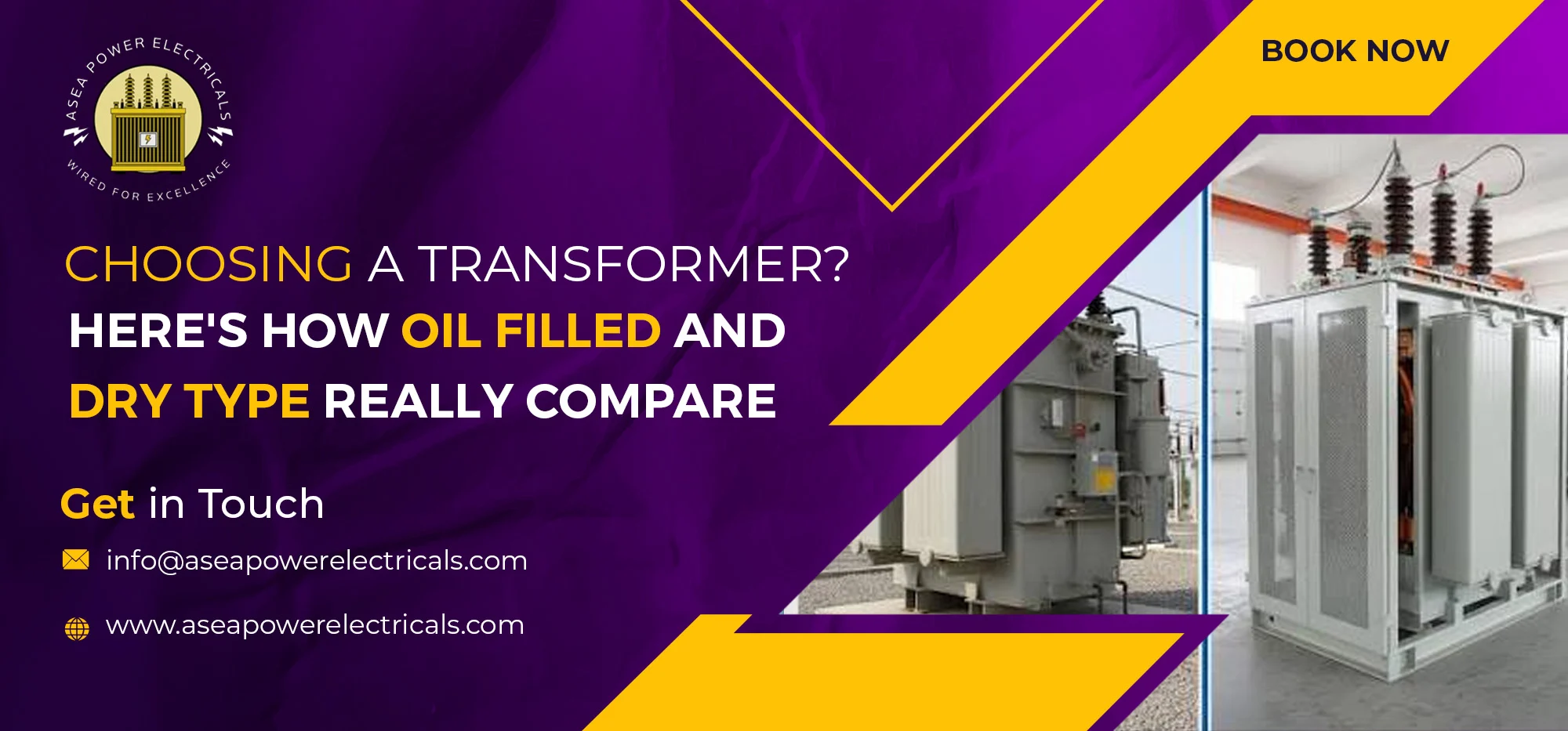
The ongoing debate over oil-filled vs dry-type transformer selection is now dominated by stringent fire codes, such as NFPA 70 (NEC) and the latest 2026 building safety amendments. In high-rise environments, where evacuation times are longer and fire suppression is challenging, the "power heart" of the building must be as safe as it is efficient.
The Fire Safety Revolution in High-Rise Buildings
High-rise commercial complexes present unique risks. High-occupancy spaces surround transformers located in basements or intermediate plant rooms. A single failure in an oil-filled unit—due to overheating, arcing, or insulation breakdown—can lead to a tank rupture and the release of thousands of litres of flammable mineral oil.
The Rise of the Dry-Type Transformer
The industry has seen a massive shift toward dry-type technology for indoor applications. By using air or cast resin for insulation rather than a liquid medium, these units eliminate the most significant fire hazard: combustible oil.
- Self-Extinguishing Properties: Modern cast resin transformers are designed to be self-extinguishing, preventing the spread of fire during an internal fault.
- Minimal Toxic Emissions: In the event of extreme heat, dry-type units emit significantly less smoke and toxic gases compared to burning mineral oil, a vital factor for high-rise evacuation.
The Evolution of Liquid-Filled Safety
While oil filled vs dry type transformer comparisons often cast liquid units as "risky," the engineering has advanced. For high-rises that still require the superior cooling and lifespan of liquid-immersed units, the shift has moved toward "Less-Flammable" Synthetic Esters. These fluids have a flashpoint exceeding 300°C, providing a middle ground between traditional mineral oil and dry-type units.
Why Choose Asea Power Electricals for Your Oil Filled vs Dry Type Transformer Needs?
Navigating the technical landscape of power distribution requires a partner who understands both heritage engineering and future safety standards. Asea Power Electricals stands at the forefront of this transition.
1. Decades of Specialized Expertise
With over 20 years of experience in repairing, refurbishing, and servicing transformers up to 100MVA, Asea Power Electricals brings an operator's perspective to selection. We don't just sell equipment; we understand the failure points that lead to safety hazards.
2. Tailored "Safety-First" Selection
Whether your complex requires a compact cast-resin dry-type unit for a 50th-floor plant room or a high-efficiency ester-oil unit for a basement substation, Asea Power Electricals provides a consultative approach. We help you navigate the oil filled vs dry type transformer decision by weighing fire load calculations against initial capital expenditure.
3. Precision Condition Monitoring
We integrate advanced diagnostics into every installation. From Dissolved Gas Analysis (DGA) for our oil-filled units to thermal imaging and partial discharge testing for dry-type systems, we ensure your building's safety standards are maintained long after the initial commissioning.
4. Regulatory Compliance Assurance
Our units are built and serviced to meet the most recent IEC 60076 and CEA (Central Electricity Authority) 2022 Technical Standards. Choosing Asea Power Electricals means your infrastructure is ready for the insurance audits and safety inspections that define 2026 commercial real estate.
Comparative Breakdown: High-Rise Suitability
| Feature | Dry Type Transformer | Oil Filled (Mineral) | Oil Filled (Ester) |
|---|---|---|---|
| Fire Safety | Highest (Non-flammable) | Low (Flammable) | High (Less-flammable) |
| Indoor Use | Ideal | Requires Fire Vaults | Permitted (with containment) |
| Maintenance | Minimal | High (Oil testing) | Medium |
| Cooling Efficiency | Standard | Excellent | Excellent |
| Lifespan | 20–25 Years | 30–40 Years | 30+ Years |
Frequently Asked Questions (FAQ)
1. Which is better for an indoor high-rise substation: oil filled vs dry type transformer?
For indoor applications in 2026, the dry-type transformer is almost always the preferred choice. It eliminates the need for expensive fire-rated vaults, oil containment pits, and specialized fire suppression systems, making it more cost-effective for indoor high-rise use despite a higher initial purchase price.
2. Can Asea Power Electricals retrofit an existing oil-filled unit with fire-safe fluids?
Yes. One of our specialties is the "Retrofilling" of existing transformers. We can replace traditional mineral oil with biodegradable, high-flashpoint synthetic esters, significantly improving the fire safety rating of your current infrastructure without requiring a full replacement.
3. What maintenance is required for a dry-type transformer in a commercial building?
Maintenance is minimal but crucial. It primarily involves periodic visual inspections for dust accumulation on the cooling ducts and infrared thermography to check for hot spots in the connections. Asea Power Electricals offers annual maintenance contracts (AMC) specifically for commercial high-rises.
4. How does humidity in coastal cities like Chennai affect dry-type transformers?
Coastal humidity can cause moisture ingress in standard dry units. However, we utilize Vacuum Pressure Impregnation (VPI) and cast resin technology that seals the windings, making them resistant to moisture and salt-air corrosion, which is a key reason many choose Asea Power Electricals for coastal projects.
5. What is the "Clearance Zone" required for these transformers under 2026 codes?
Modern codes typically require a minimum of 3 to 6 feet of clearance for dry-type units for ventilation. Oil-filled units require much larger clearances or 3-hour fire-rated barriers if they are within proximity to building openings. We provide site-specific layout planning to ensure you meet all local safety codes.