

In the rapidly evolving energy landscape of 2026, a "one-size-fits-all" approach to electrical infrastructure is becoming a thing of the past. As India pushes toward a 458 GW peak demand by 2032 and industries transition to smart, decentralized grids, the technical requirements for power distribution have become incredibly specific.
For many facility managers and industrial engineers, the search for the right types of transformer often leads to a realization: standard off-the-shelf units frequently fall short of meeting unique voltage fluctuations, space constraints, or extreme environmental demands. This is where Asea Power Electricals steps in, bridging the gap between standard manufacturing and high-precision, custom-engineered power solutions.
Understanding the Landscape: Essential Types of Transformer in 2026
To appreciate why a custom unit is often necessary, we must first look at the primary types of transformer driving modern industry today. Each serves a distinct purpose in the power value chain.
1. Power Transformers
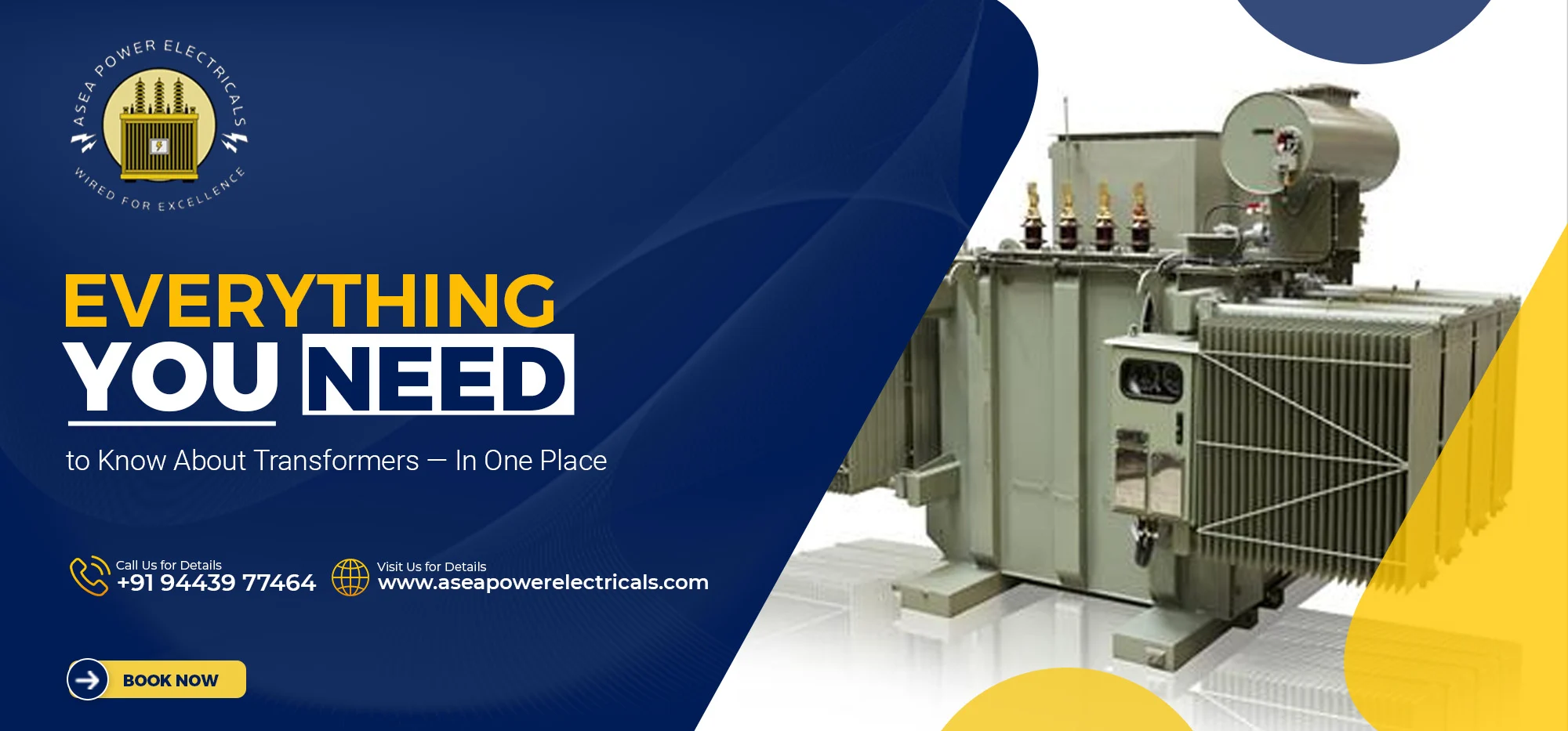
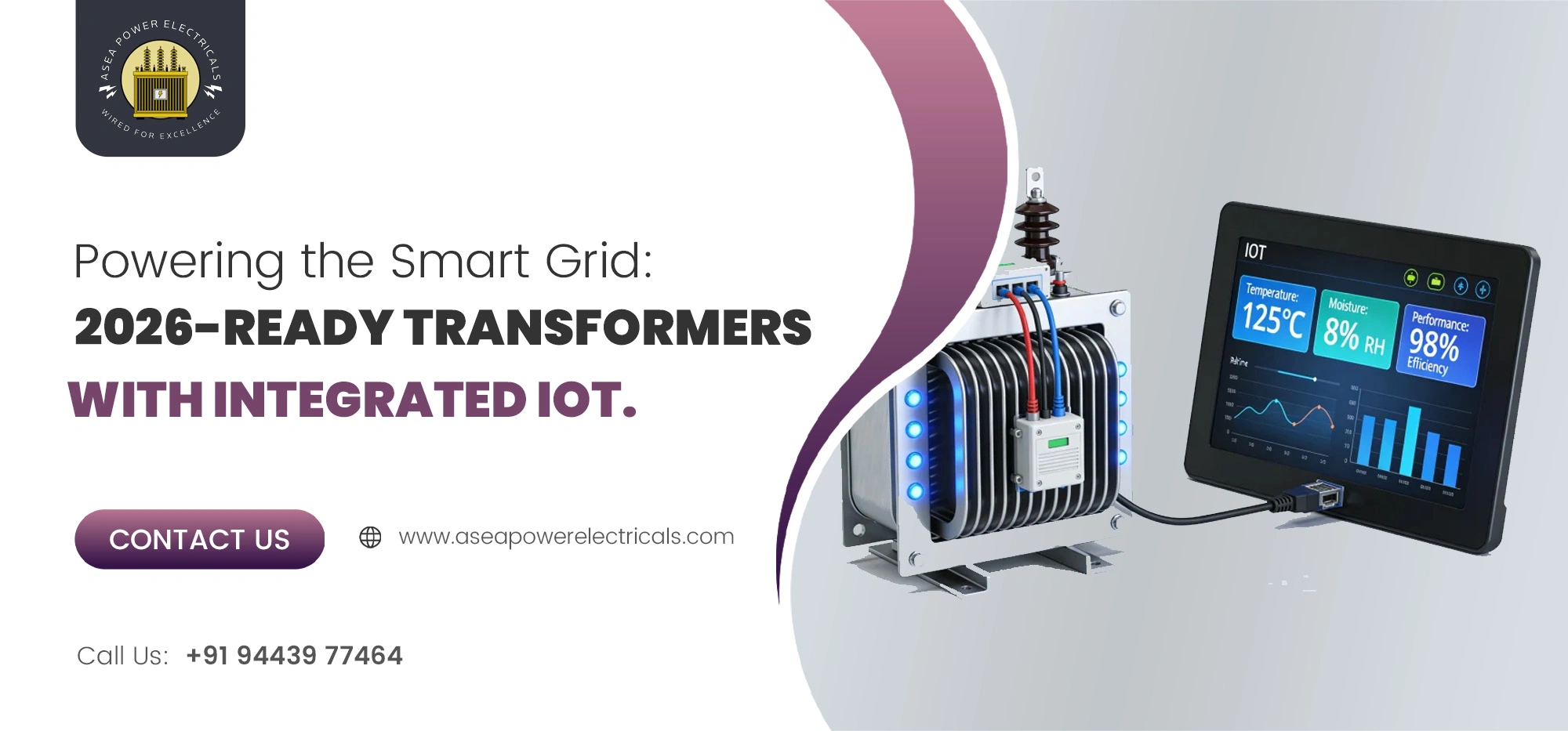
These are the heavy lifters of the grid. Designed for high-voltage transmission (typically above 33kV), power transformers are used to step up voltage for long-distance travel or step it down at primary substations. In 2026, these units are increasingly equipped with IoT sensors for real-time condition monitoring.
2. Distribution Transformers
These are the most common units seen in industrial parks and urban centers. We step down voltage to a level safe for immediate use (e.g., 11kV to 433V). At Asea Power Electricals, we focus on maximizing the efficiency of these units to meet the latest BIS Level 3 energy-saving standards.
3. Dry-Type Transformers
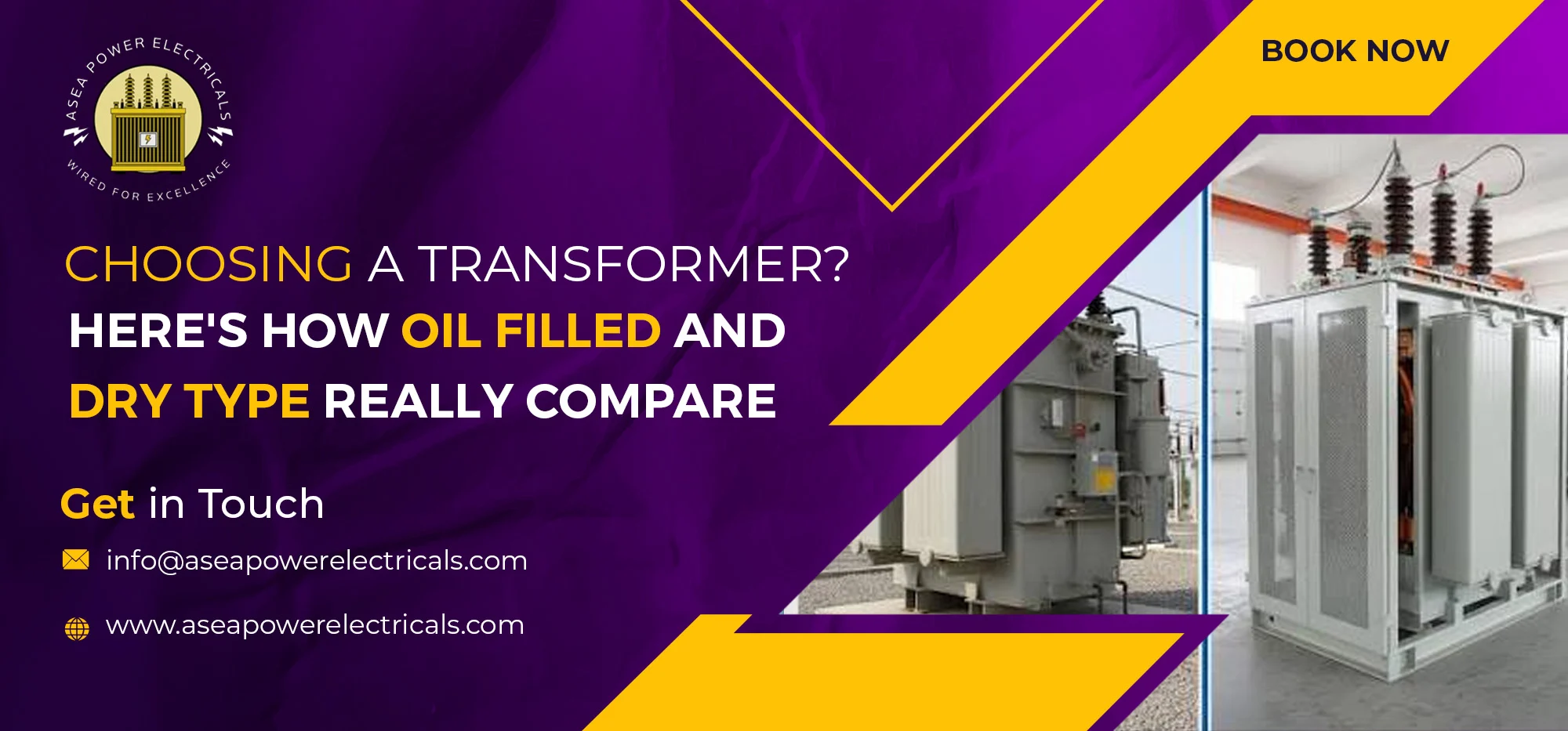
Ideal for indoor environments like high-rises, hospitals, and data centers, dry-type transformers use air or cast resin for cooling rather than oil. This eliminates fire risks and environmental leaks, making them the "green" choice for 2026 urban infrastructure.
4. Isolation and Instrument Transformers
Specialized units like isolation transformers protect sensitive medical or laboratory equipment from electrical noise. Meanwhile, instrument transformers (Current and Potential) are critical for the accurate metering and protection of high-voltage circuits.
Why Choose Asea Power Electricals for Various Types of Transformer?
Selecting a manufacturer is about more than just a price tag; it’s about asset longevity and grid stability. Asea Power Electricals has carved a niche in the market by prioritizing "High-Voltage Excellence."
Bespoke Engineering & Customization
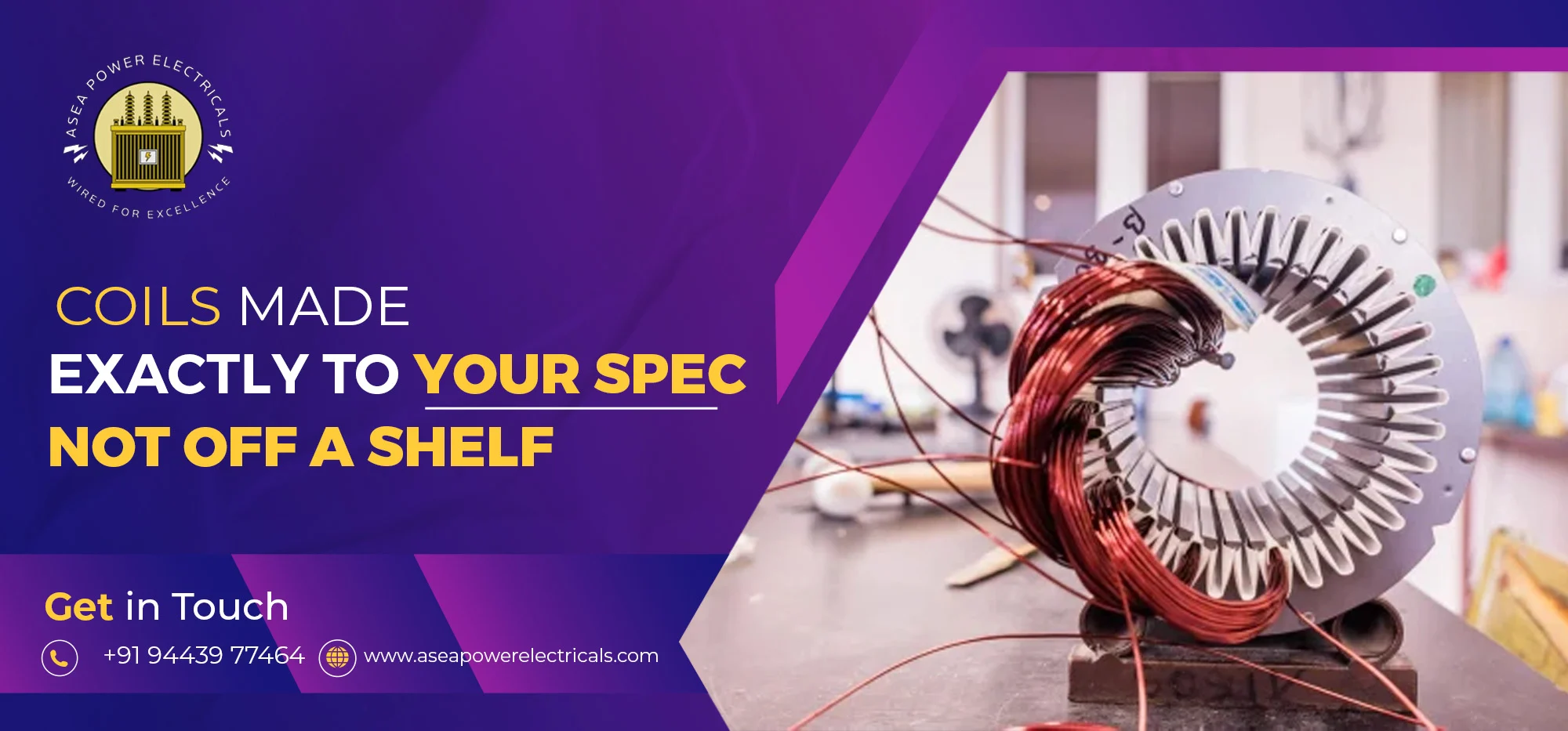
Unlike mass-production firms, we specialize in Custom Power Units. Whether you need a non-standard voltage ratio, a specific footprint to fit a tight basement, or enhanced insulation for high-humidity coastal areas, our engineers design each unit from the ground up to match your exact duty cycle.
Efficiency-First Design
Energy losses are the silent killers of industrial profitability. We utilize high-permeability CRGO (Cold Rolled Grain Oriented) steel and high-conductivity copper windings to minimize no-load and load losses. Our units aren't just reliable; they are built to pay for themselves through energy savings.
Rigorous Testing & Compliance
In 2026, safety standards are non-negotiable. Every unit that leaves the Asea Power Electricals facility undergoes a battery of tests—including Insulation Resistance, Voltage Ratio, and Magnetic Balance—to ensure full compliance with IS-2026 and international IEC standards.
Rapid Refurbishment & Support
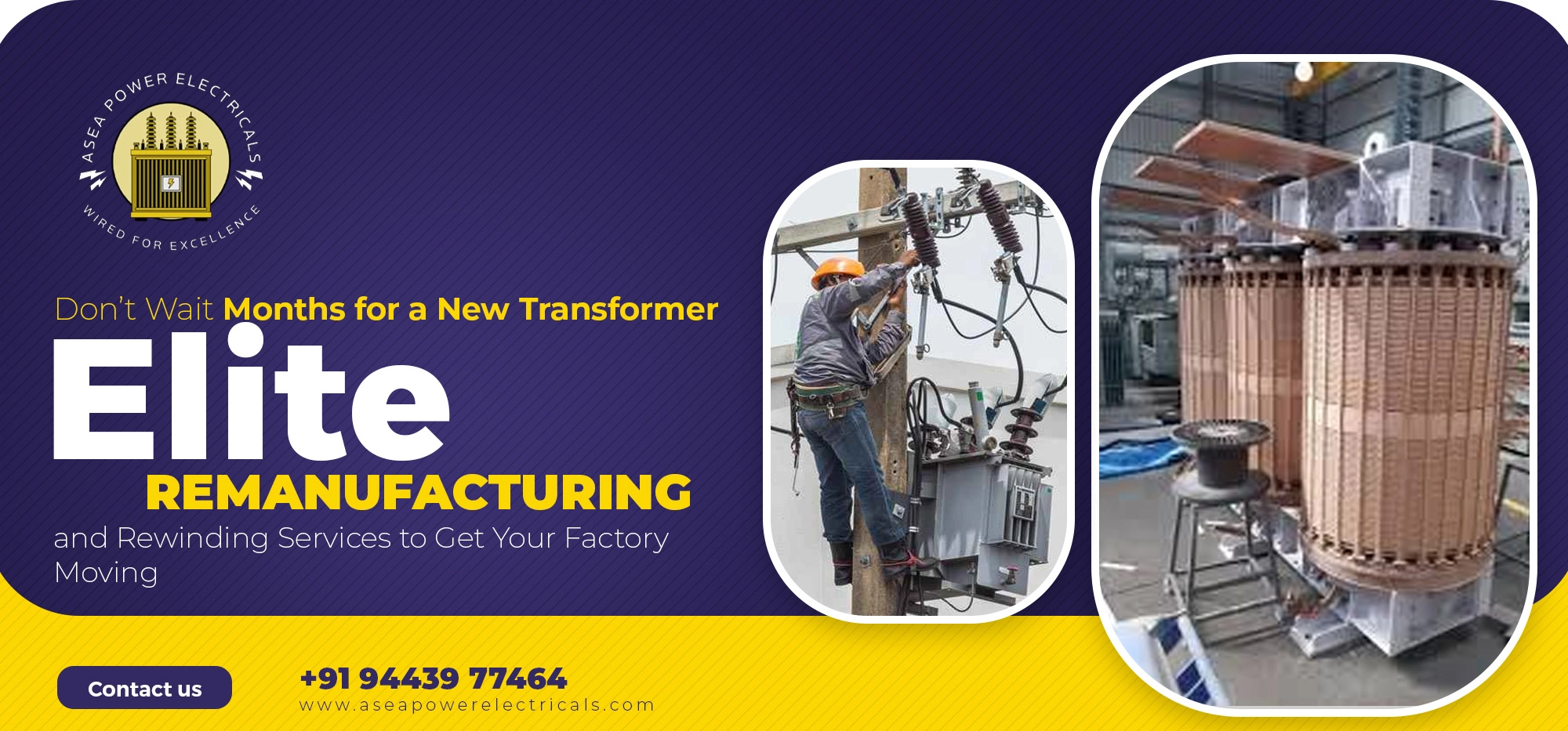
We understand that an offline transformer is an offline business. Beyond new manufacturing, we offer expert repair and refurbishment services that can add 15+ years to your existing assets, often at a fraction of the cost of a replacement.
Power Your Vision with Precision
The transformers of 2026 are no longer just static boxes of copper and steel; we are intelligent, high-efficiency nodes in a complex energy network. By choosing Asea Power Electricals, you are investing in a partner that understands the nuances of every application, from heavy-duty industrial smelting to sensitive data center operations.
FAQ: Selecting the Right Types of Transformer
1. Which types of transformer are best for indoor industrial use?
For indoor applications where fire safety is a priority, Dry-Type (Cast Resin) Transformers are the gold standard. We do not contain flammable oil and require minimal maintenance compared to oil-immersed units.
2. How do custom power units from Asea Power Electricals improve ROI?
Custom units are engineered for your actual load patterns rather than theoretical maximums. This reduces heat generation and energy waste, leading to lower utility bills and a significantly longer lifespan for the transformer.
3. What is the difference between a Step-Up and a Step-Down transformer?
A Step-Up transformer increases voltage (often for efficient long-distance transmission), while a Step-Down transformer reduces it to a usable level for machinery and electronics. Both are core parts of the Asea Power Electricals product range.
4. Are 2026 transformers compatible with renewable energy sources?
Absolutely. At Asea Power Electricals, we design specialized Solar Inverter-Duty Transformers that can handle the variable loads and harmonic distortions often associated with solar and wind power evacuation.
5. Why is the core material important in different types of transformer?
The core is the heart of the unit. Using advanced materials like Amorphous Metal or high-grade CRGO steel allows the transformer to change polarity with minimal energy loss, which is essential for meeting modern "Green Building" and industrial efficiency mandates.