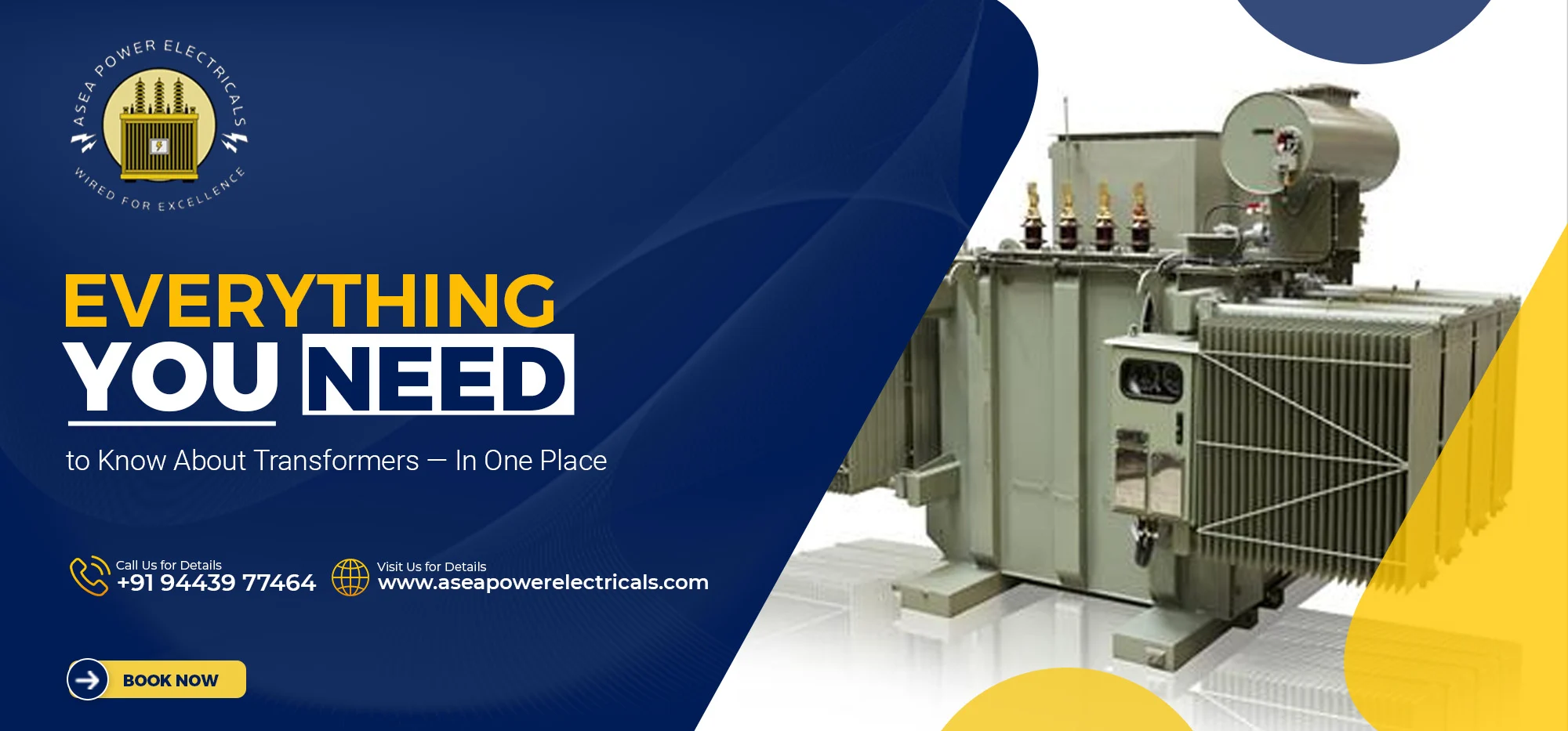


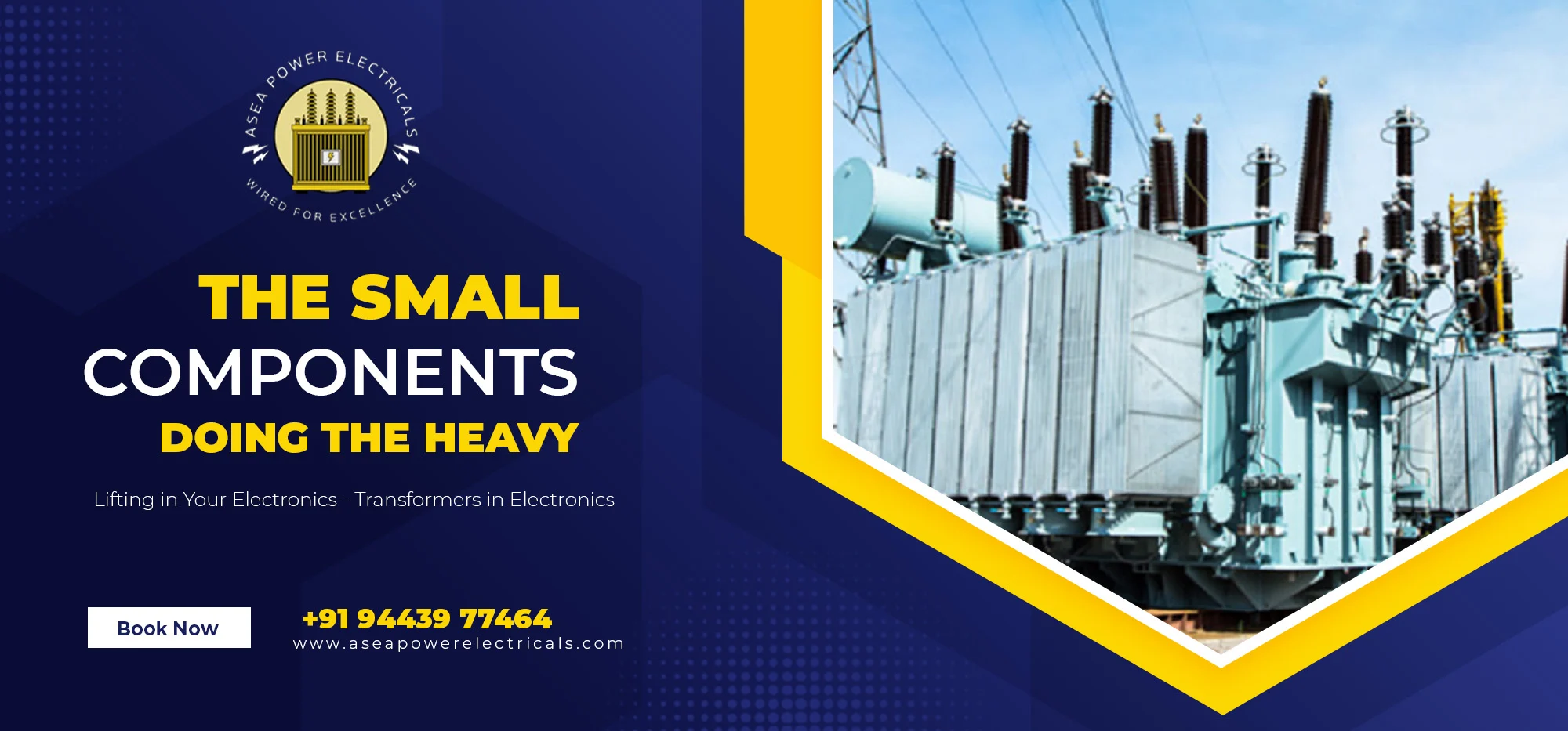
Open up almost any electronic device — a phone charger, a TV, an industrial controller — and somewhere inside, often quietly tucked away, you'll find a transformer doing essential work. We tend to think of transformers as those big grey units on poles and in substations, but the world of transformers electronics runs on far smaller, equally important cousins. They're the unsung components that make modern electronics possible, and once you understand what they do, you start noticing them everywhere. So let's take a clear, jargon-light look at how they work, the main types, and where they show up.
How a transformer actually works
The core idea is surprisingly elegant. A transformer has two (or more) coils of wire wound around a shared magnetic core. When alternating current flows through the first coil — the primary — it creates a changing magnetic field in the core. That changing field induces a voltage in the second coil — the secondary. Crucially, no electricity flows directly between the two coils; the energy passes across through magnetism alone. This is called electromagnetic induction, and it's the principle every transformer relies on.
The clever part is the turns ratio. If the secondary coil has fewer turns than the primary, the output voltage is lower — that's a step-down transformer. More turns on the secondary, and you get a higher voltage — a step-up transformer. By choosing the ratio, designers can convert voltages up or down with very little loss. That ability to change voltage cleanly is why transformers are so fundamental to electronics.
There's a second, equally valuable trick: because the two coils aren't electrically connected, a transformer also provides isolation, separating one part of a circuit from another for safety. In the world of transformers electronics, that isolation is often just as important as the voltage change.
The main types you'll come across
Within electronics, transformers come in several flavours, each suited to a job.
Step-down and step-up transformers do exactly what their names suggest — lower or raise voltage. The power adapter charging your laptop, for instance, leans on stepping down mains voltage to something your device can safely use.
Isolation transformers focus on that safety separation, protecting sensitive circuits and users by keeping sections electrically apart while still passing energy across.
Power transformers in switch-mode power supplies are the compact units that handle conversion inside modern chargers and electronic equipment, often using special high-frequency cores to stay small and efficient.
Signal and audio transformers handle low-power jobs like matching impedance and coupling signals between stages, rather than delivering bulk power.
Current transformers are used for measurement and protection, producing a small, proportional current that instruments can safely read to monitor a larger one.
Each type is really the same basic principle tuned for a particular purpose — proof that one simple idea can be shaped into many useful tools.
Where transformers show up in electronics
Once you know what to look for, the uses are everywhere. Power supplies of all kinds rely on transformers to convert mains voltage into the low, safe voltages electronics need. Isolation is used wherever safety or noise separation matters. Impedance matching squeezes the best performance out of audio and signal circuits. Measurement and protection systems use transformers to monitor current and voltage without dangerous direct connections. From consumer gadgets to industrial control panels, the humble transformer is doing quiet, constant work.
Why coil quality matters so much in electronics
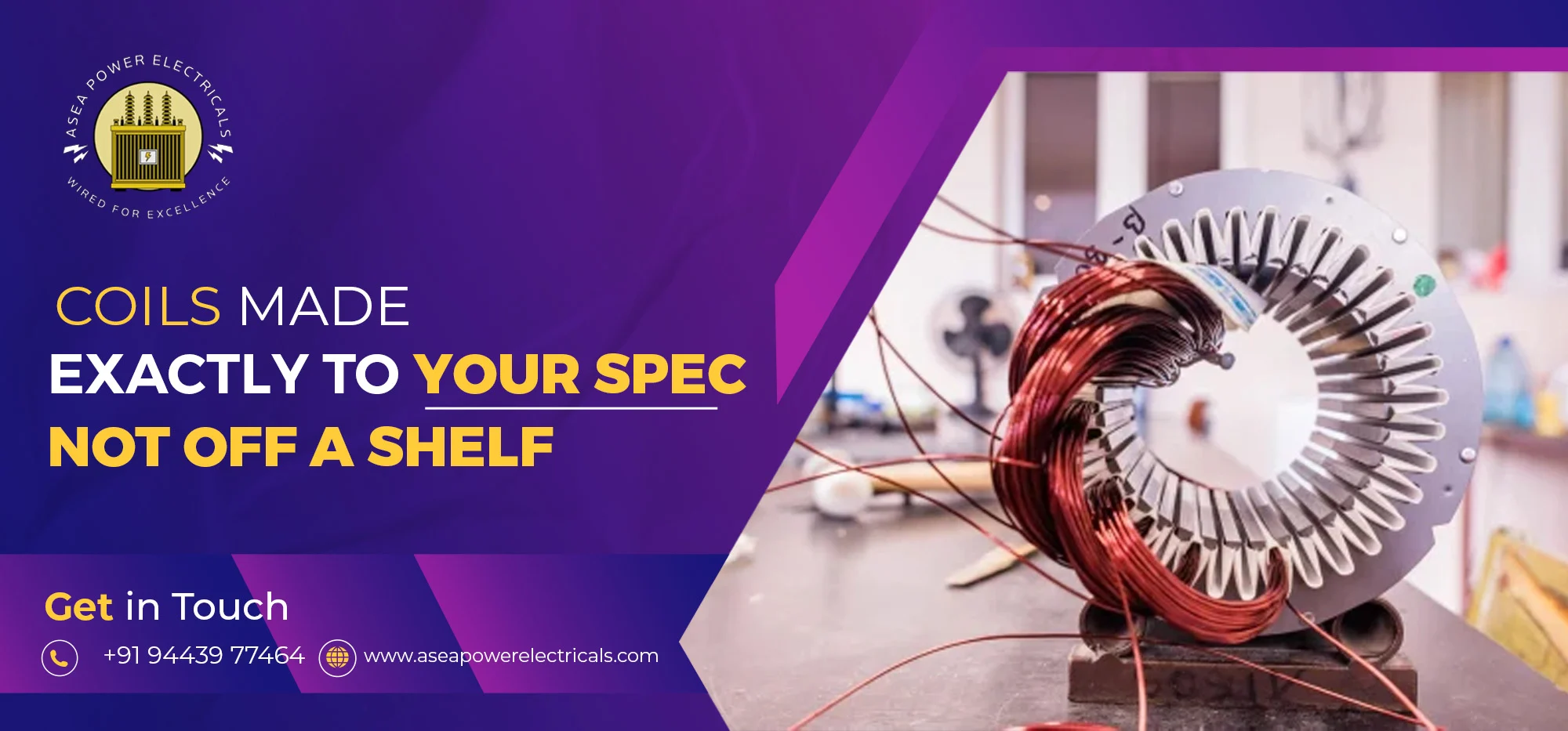
Here's a detail that's easy to miss: a transformer is only as good as its windings. Because everything depends on those coils and how precisely they're wound, build quality directly shapes performance. The right wire gauge, the correct number of turns, neat and consistent winding, and proper insulation all determine whether the transformer runs cool and reliable or hot and short-lived. In tightly packed electronics, where space is limited and tolerances are tight, that precision is everything.
This is exactly where specialist winding expertise earns its place. When a design needs a transformer or coil built to a specific requirement — a particular voltage, a non-standard size, a replacement for something obsolete — that's where custom coil winding services in Chennai come in, producing coils made to match the design rather than forcing the design to fit a generic part.
How Asea Power Electricals fits in
Understanding transformers is one thing; sourcing or building the right one is another. At Asea Power Electricals, we work across the world of transformers and coil winding, so whether you're trying to choose the right component, replace a failed one, or get a custom coil wound for an electronic design, you've got a knowledgeable team to turn to. We're happy to talk through your application in plain terms and help you land on what actually fits — no unnecessary complexity, no overselling.
The takeaway
Transformers may not grab attention, but they're quietly essential to nearly everything electronic — converting voltages, providing isolation, matching signals and protecting circuits, all through the simple magic of electromagnetic induction. Knowing the basics helps you make better decisions, whether you're designing, repairing or specifying equipment. And when you need real components built to real specifications, Asea Power Electricals is ready to help you get the transformers electronics parts right. Reach out anytime to talk through what you need.