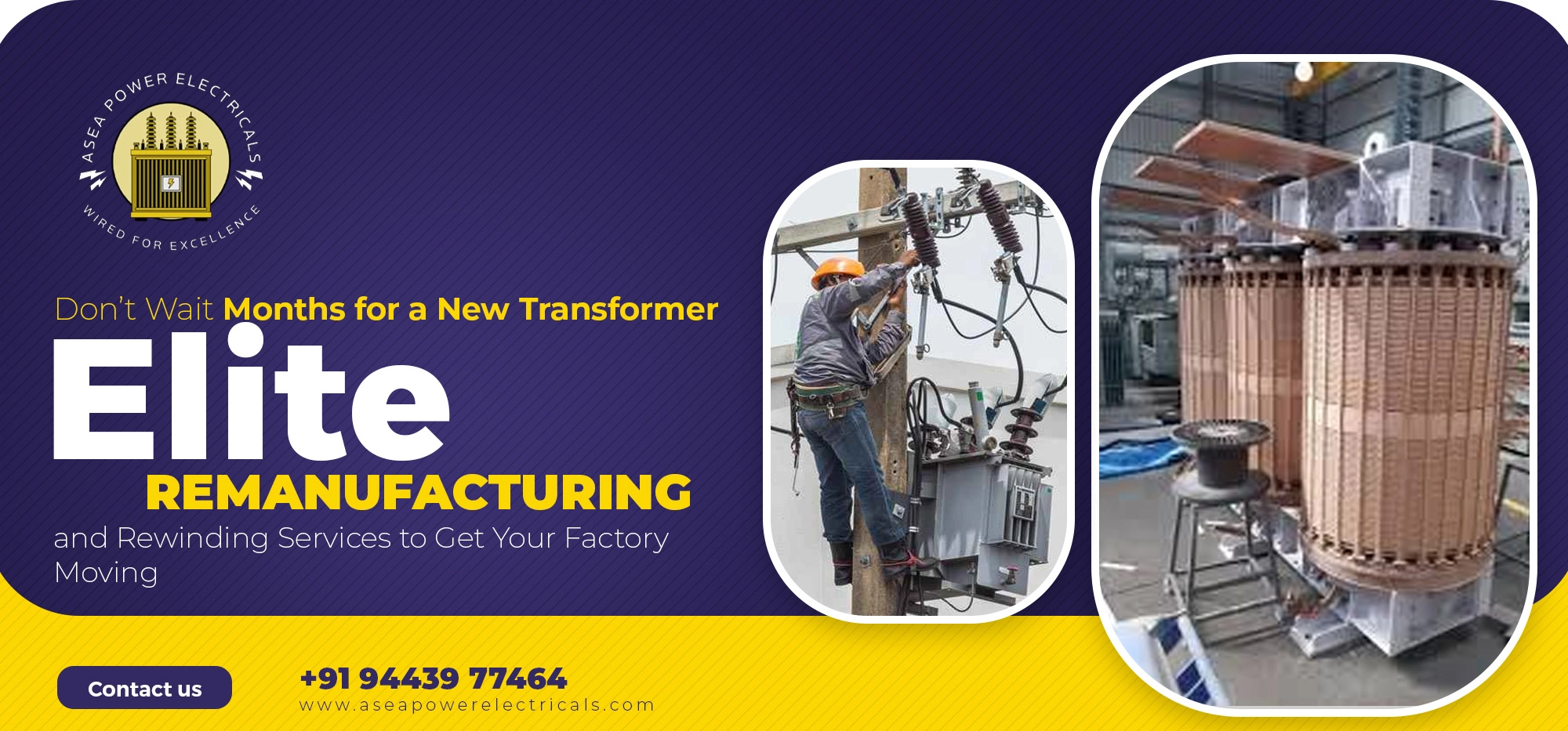


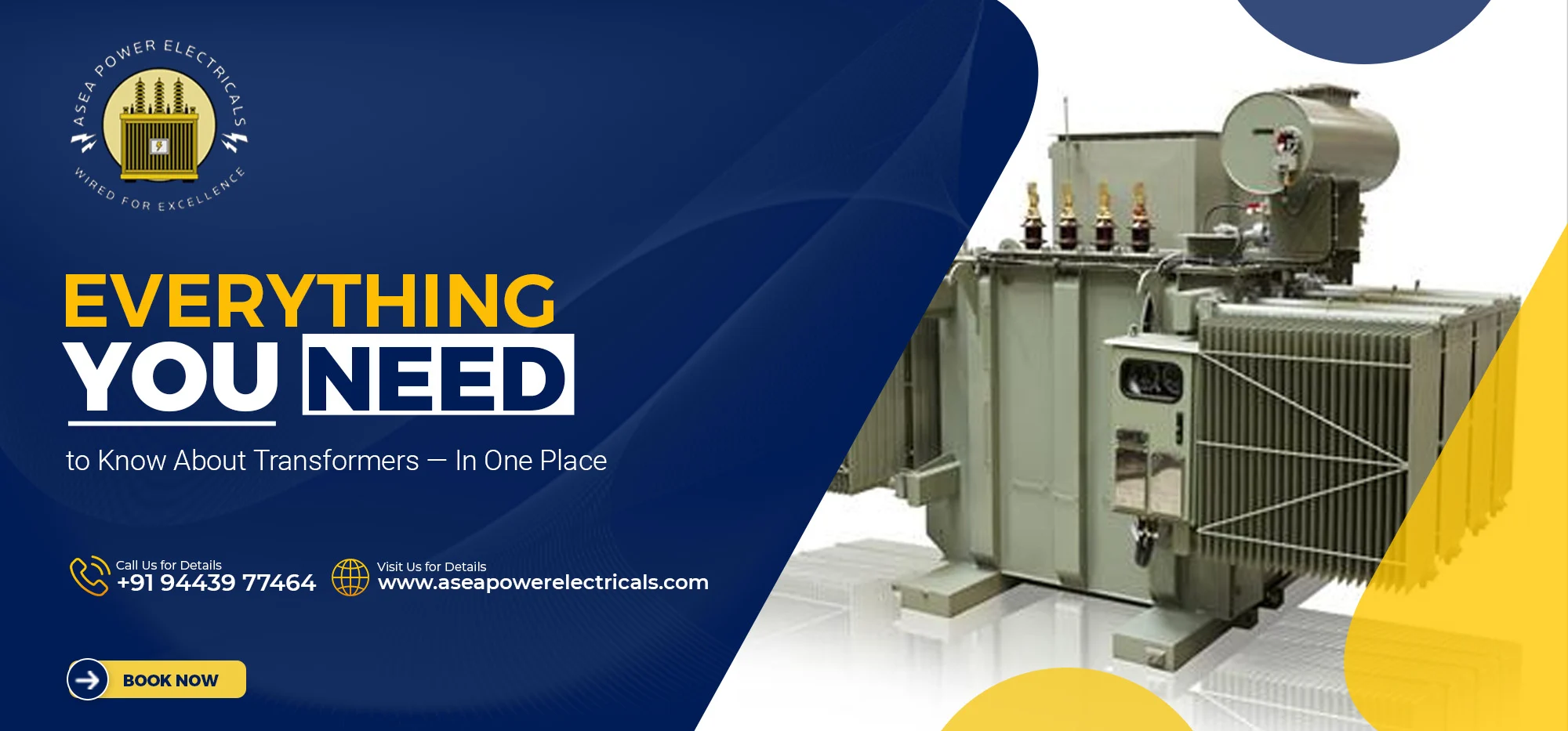
Transformers are one of those technologies most people rely on every single day without ever thinking about. They sit behind your wall sockets, inside your devices, on the poles down your street and in the substations that keep whole districts running. But the moment you actually need to make a decision about one — which type to buy, how to get a coil made, what role it plays in a circuit — the questions pile up fast. This guide pulls the essentials together in one place, covering the big comparison of dry type vs oil filled transformers, the world of custom coil winding, and how transformers work inside electronics. Think of it as the overview that connects the dots.
What a transformer actually does
Let's start simple. A transformer transfers electrical energy from one circuit to another using magnetism, not a direct wire connection. Alternating current in one coil creates a changing magnetic field, which induces a voltage in a second coil. By changing the ratio of turns between those coils, a transformer can step voltage up or down with very little loss — and because the coils aren't directly connected, it also provides electrical isolation. That's the whole foundation, and everything else is a variation on it.
Dry type vs oil filled transformers: the big choice
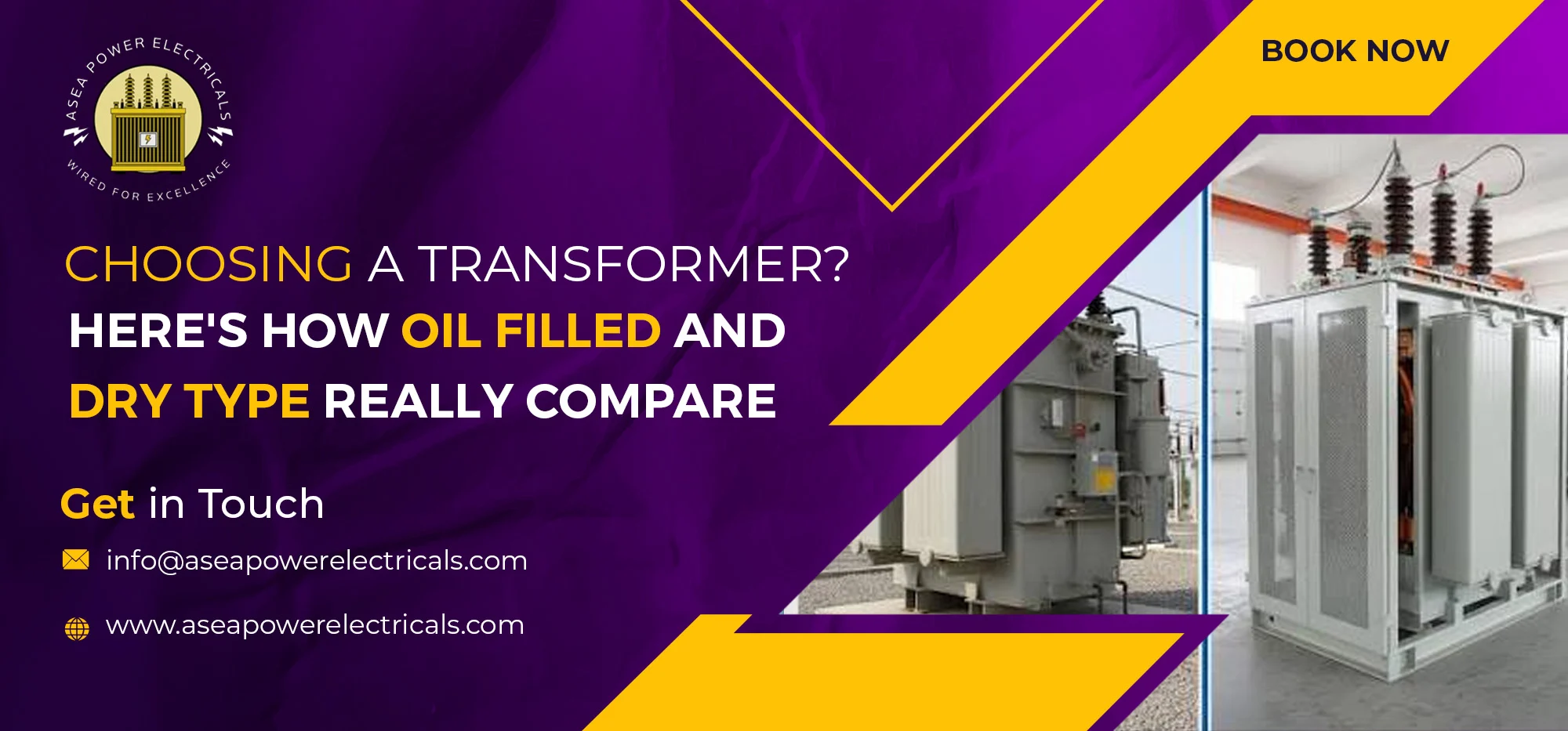
For larger power and distribution transformers, the first real decision is the type of insulation and cooling — which brings us to the dry type vs oil filled transformers question that nearly every buyer faces.
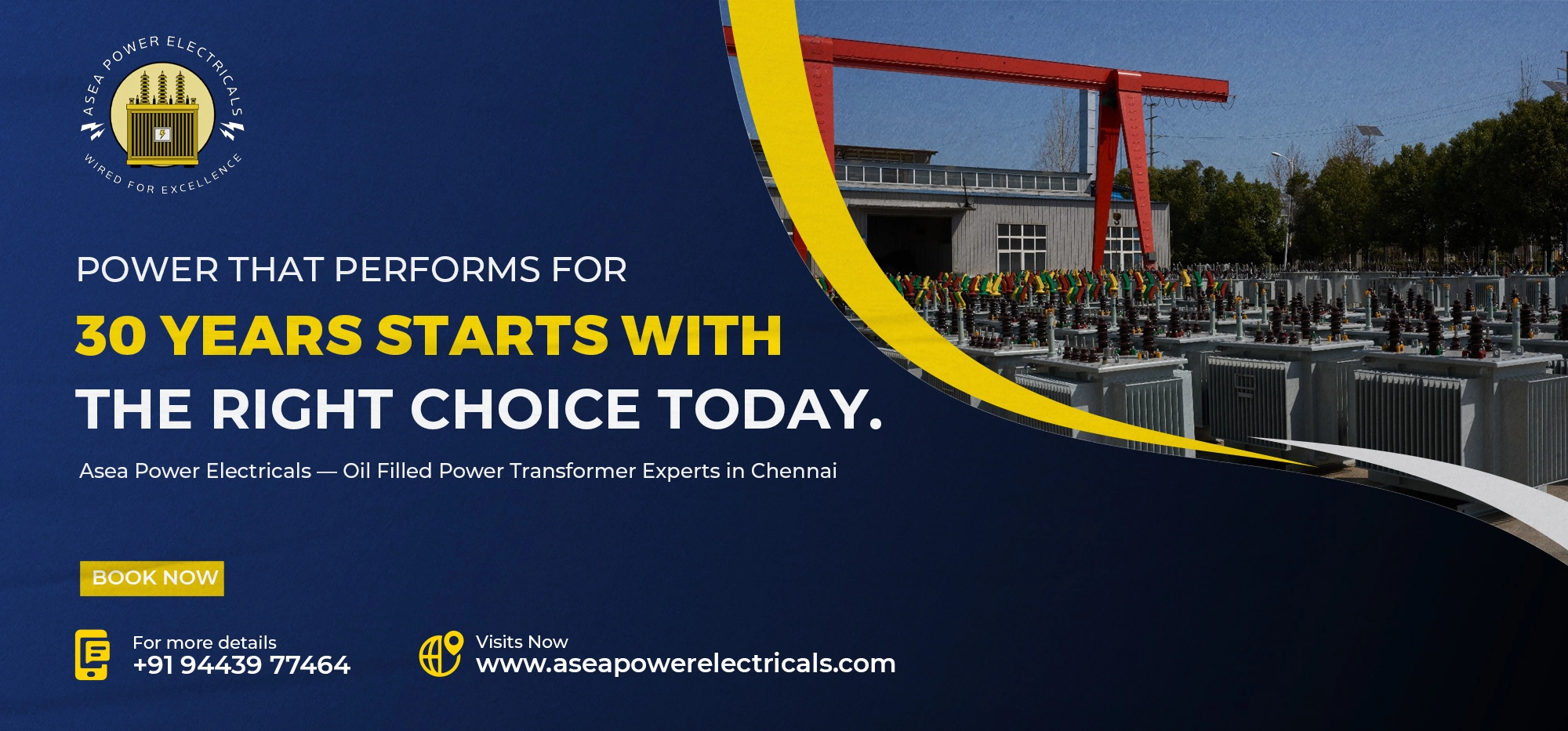
Oil filled transformers use insulating oil to cool and insulate the windings. They're efficient, handle high power ratings well, cope with overloads, and often cost less per kVA at higher ratings. The catch is that oil is flammable, so they generally need outdoor or specially protected installation with containment, plus periodic oil testing and maintenance.
Dry type transformers use air and solid insulation instead of liquid. They're far more fire-resistant, which makes them ideal for indoor and people-heavy spaces like hospitals, malls and high-rise buildings, and they need less maintenance. The trade-off is a higher upfront cost for a given rating and slightly lower efficiency at the top end. In short, the oil filled vs dry type transformer decision usually comes down to where it's installed, how big it is, your fire-safety needs, and how much maintenance you want to take on. Neither is universally "better" — the right one is the one that fits your situation, and that's a conversation worth having before you buy.
Custom coil winding: when off-the-shelf won't do
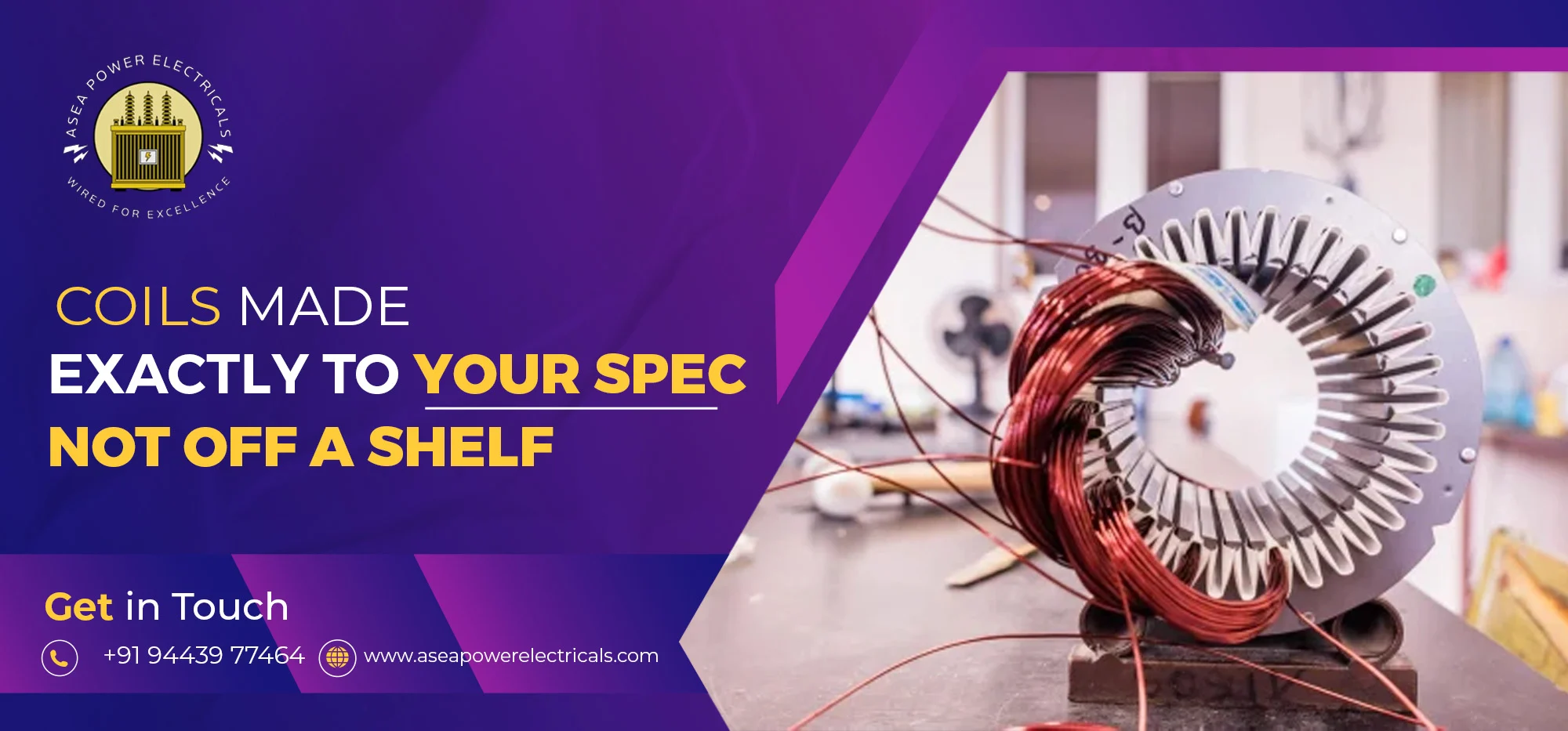
Step inside any transformer and you'll find its heart: the coils. The quality of those windings decides how well the transformer performs and how long it lasts. Most of the time, standard products serve the need — but plenty of situations call for something built to spec. That's where custom coil winding services in Chennai come in.
You might need a custom coil because you're prototyping a new design, because you're replacing a coil for equipment that's no longer in production, or because your application has requirements no catalogue part can meet. Custom winding covers transformer windings, inductors, chokes, solenoids and the smaller coils used in electronics — each built to a specific wire gauge, number of turns, insulation class and dimension. The value lies in precision: a carefully, consistently wound coil runs cooler, performs predictably and lasts, while a poorly wound one fails early. When the standard option doesn't fit, custom winding is how you get exactly what your application needs.
Transformers in electronics: small but essential
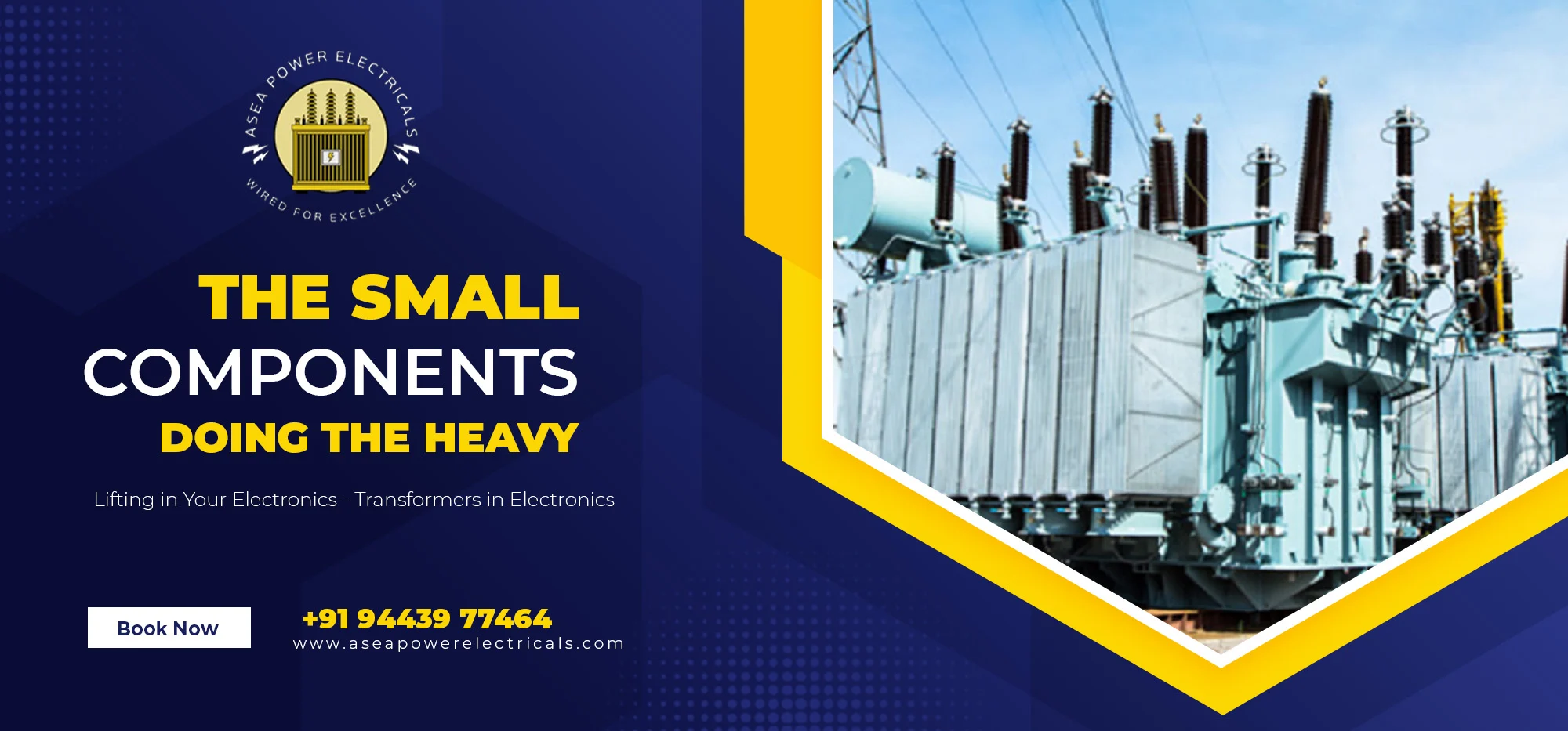
Beyond the big units, there's a whole world of transformers electronics — the compact transformers tucked inside chargers, power supplies, control systems and countless devices. They do the same fundamental jobs as their larger cousins: converting voltage up or down, isolating circuit sections for safety, matching impedance in signal paths, and supporting measurement and protection. The principle is identical; only the scale and the details change. And just as with big transformers, the precision of the windings makes all the difference in how reliably these small components perform.
How it all connects
Here's the thread running through all of this: whether it's a substation transformer, a custom-wound coil or a tiny component inside a circuit board, it all comes back to coils, cores and electromagnetic induction, done with care. The choices that matter — oil filled or dry type, standard or custom, the right type for an electronic design — are really about matching the technology to your specific need. That's why a knowledgeable partner is worth so much: not to sell you the most expensive option, but to help you land on the one that actually fits.
Why work with Asea Power Electricals
At Asea Power Electricals, we work across this entire landscape — helping you weigh up the dry type vs oil filled transformers decision, winding custom coils to your exact specification, and supporting transformer needs in both power and electronics applications. We keep our advice plain and our work precise, because a transformer or coil is something you want to fit once and forget — reliable for years. Whatever your requirement, tell us about your application and we'll help you get it right.
In summary
Transformers quietly run our world, and understanding the basics — the dry type vs oil filled transformers trade-off, the value of precision coil winding, and the role transformers play in electronics — puts you in a far stronger position to make good decisions. When you're ready to choose, replace or build, Asea Power Electricals is here to help you do it with confidence. Get in touch today.