

If you're buying a transformer, sooner or later you'll hit the same fork in the road that trips up almost everyone: should you go with an oil filled unit or a dry type one? It sounds like a small technical detail, but it's actually a decision that affects your safety, your running costs, where you can install the unit and how much maintenance you'll be signing up for over the next twenty years. Get it right and the transformer quietly does its job. Get it wrong and you'll be working around the limitations for the life of the equipment. So let's break down the oil filled vs dry type transformer question in plain language, without the sales spin.
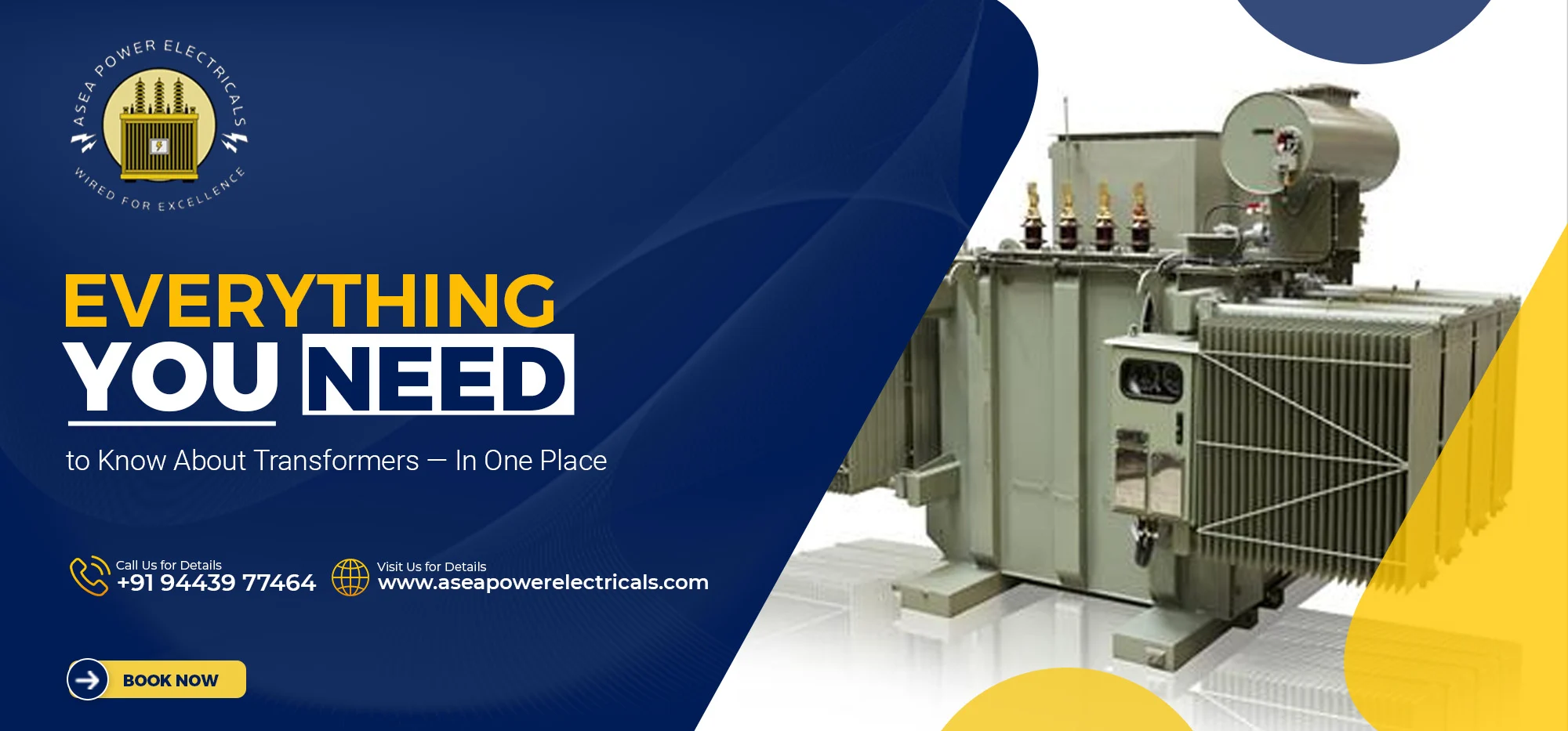
At its heart, the difference comes down to how each type handles two jobs: insulation and cooling. An oil filled transformer sits immersed in special insulating oil that both insulates the windings and carries heat away. A dry type transformer does the same jobs using air and solid insulation — typically cast resin or a vacuum-impregnated coating — with no liquid involved. That one design choice ripples out into every practical difference between them.
Oil filled transformers: efficient, proven, and built for the heavy stuff
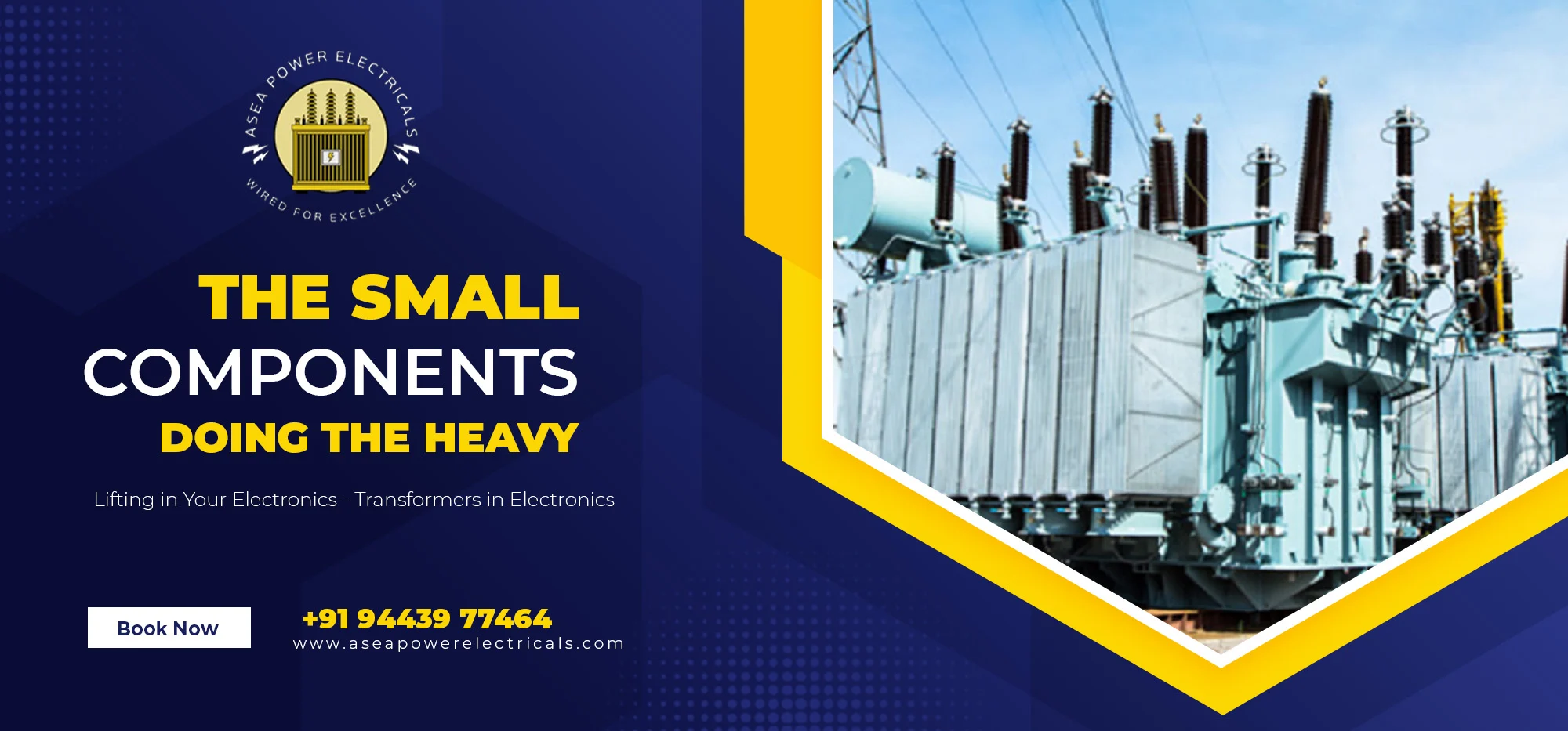
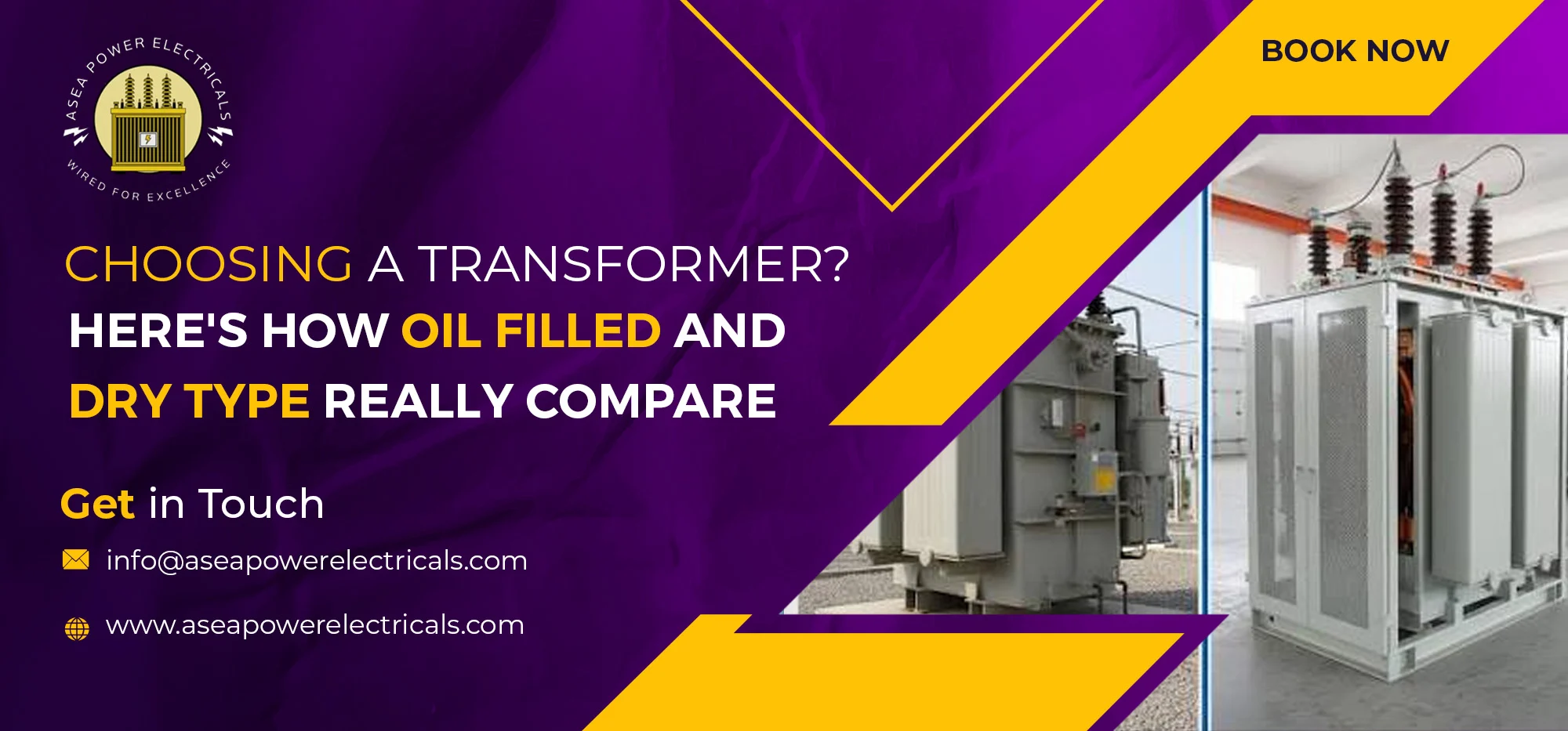
Oil filled transformers have been the backbone of power distribution for over a century, and there's a good reason for that. The oil is an excellent coolant, which lets these units handle high power ratings efficiently and take on overloads better than their dry counterparts. They tend to cost less per kVA at higher ratings, run a little cooler under heavy load, and generally last a long time when looked after.
The trade-offs are equally real, and they matter in the oil filled vs dry type transformer decision. Oil is flammable, so fire safety becomes a genuine concern — these units usually need to be installed outdoors or in dedicated, protected rooms with oil containment (bunding) to catch any leaks. The oil itself needs periodic testing and occasional filtration or replacement. And because there's liquid involved, leaks and seal issues are something you'll need to watch for. None of this is a deal-breaker; it's just the cost of the higher efficiency and capacity.
Dry type transformers: safer indoors, lower fuss
Dry type transformers flip the equation. With no oil inside, they're far more fire-resistant, which makes them the natural choice for indoor and people-heavy locations — think hospitals, shopping malls, high-rise buildings, basements, and anywhere a fire risk simply isn't acceptable. They need much less maintenance because there's no oil to test or replace, and they cope well in many environments without the containment infrastructure an oil unit demands.
Where do they give ground? Generally, dry type units cost more upfront for a given rating, they can be a bit less efficient and noisier, and they don't handle sustained overloads as gracefully. In very high power applications, oil filled still tends to win on economics. This is the core of the dry type vs oil filled transformers trade-off: you're often paying a premium for safety and simplicity.
So which one is right for you?
Here's the honest answer — it depends on your situation, and a few questions usually settle it.
Where will it be installed? Indoors, near people, or in a fire-sensitive building?
Dry type makes a lot of sense. Outdoors or in a dedicated electrical yard? Oil filled is often the more economical pick.
What's the power rating?
For large, high-capacity needs, oil filled usually offers better efficiency and value. For small-to-medium indoor loads, dry type is frequently ideal.
How much maintenance can you realistically manage?
If you don't want the ongoing commitment of oil testing and filtration, dry type lowers that burden considerably.
What does your budget look like, upfront versus long-term?
Oil filled can be cheaper to buy at higher ratings; dry type can save on installation infrastructure and maintenance over time. Weigh both, not just the sticker price.
And finally, are there regulations or insurance requirements at play?
Many fire codes and building rules effectively push you toward dry type in certain occupied spaces.
There's rarely a single "best" answer that fits everyone. A factory in an industrial yard and a transformer room in a hospital basement have completely different priorities, and the right choice reflects that.
Why talk it through with Asea Power Electricals
This is exactly the kind of decision where a short conversation with people who do this every day saves you from an expensive misstep. At Asea Power Electricals, we don't push one type over the other — we look at your load, your location, your safety requirements and your budget, then recommend what actually fits. Sometimes that's an oil filled unit; sometimes it's dry type; sometimes it's a combination across a site. The point is to match the transformer to your real needs rather than to whatever's easiest to sell.
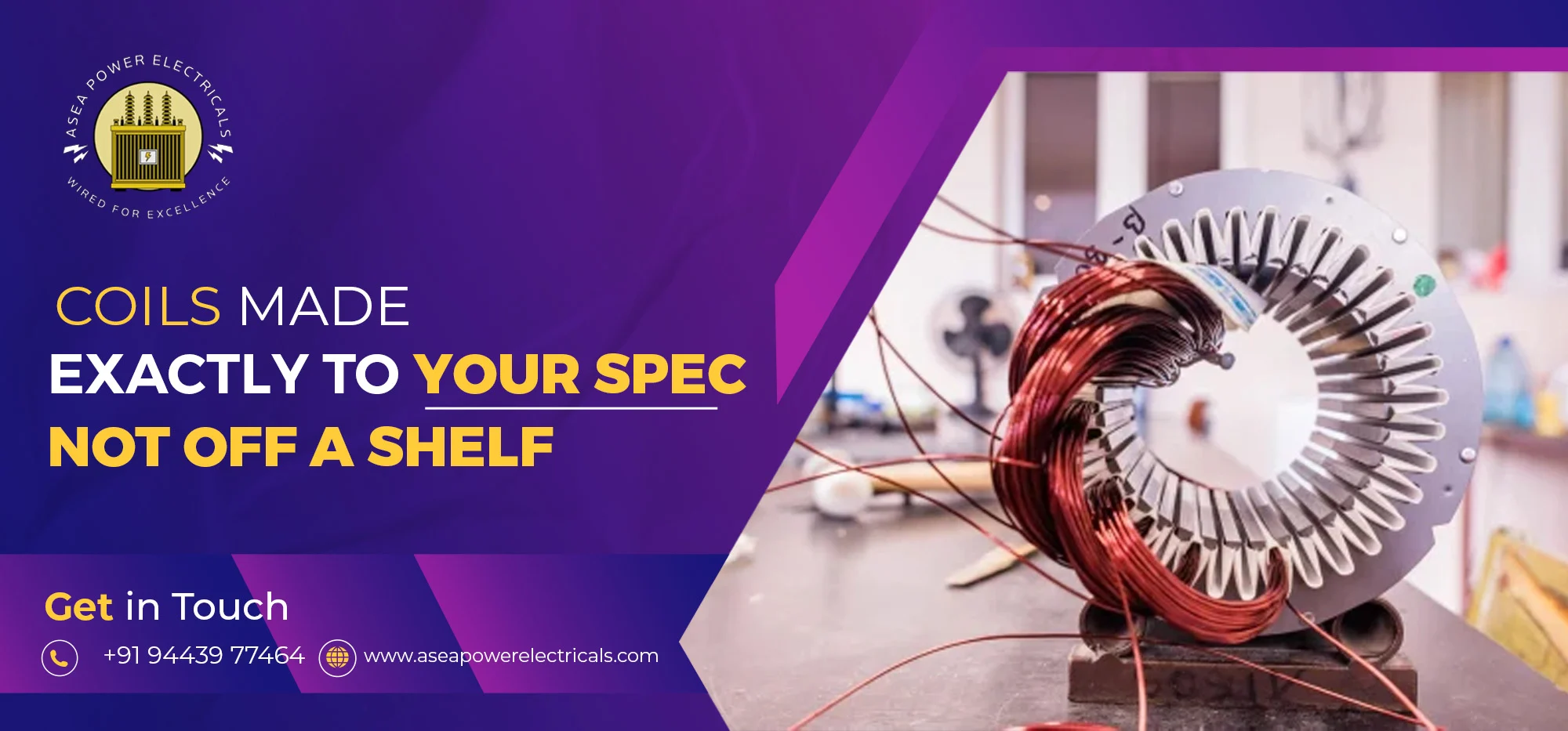
We can also support you well beyond the purchase decision, from custom coil winding to ongoing technical guidance, so you've got one knowledgeable team to lean on as your requirements evolve.
The oil filled vs dry type transformer choice isn't about which technology is "better" in the abstract — both are excellent when matched to the right job. It's about fit. Oil filled brings efficiency and capacity for heavy, well-contained installations; dry type brings safety and low maintenance for indoor and sensitive environments. Work out where, how big, how safe and how much, and the answer usually becomes clear. And if it doesn't, that's exactly what we're here for. Reach out to Asea Power Electricals, tell us about your application, and we'll help you choose with confidence.