

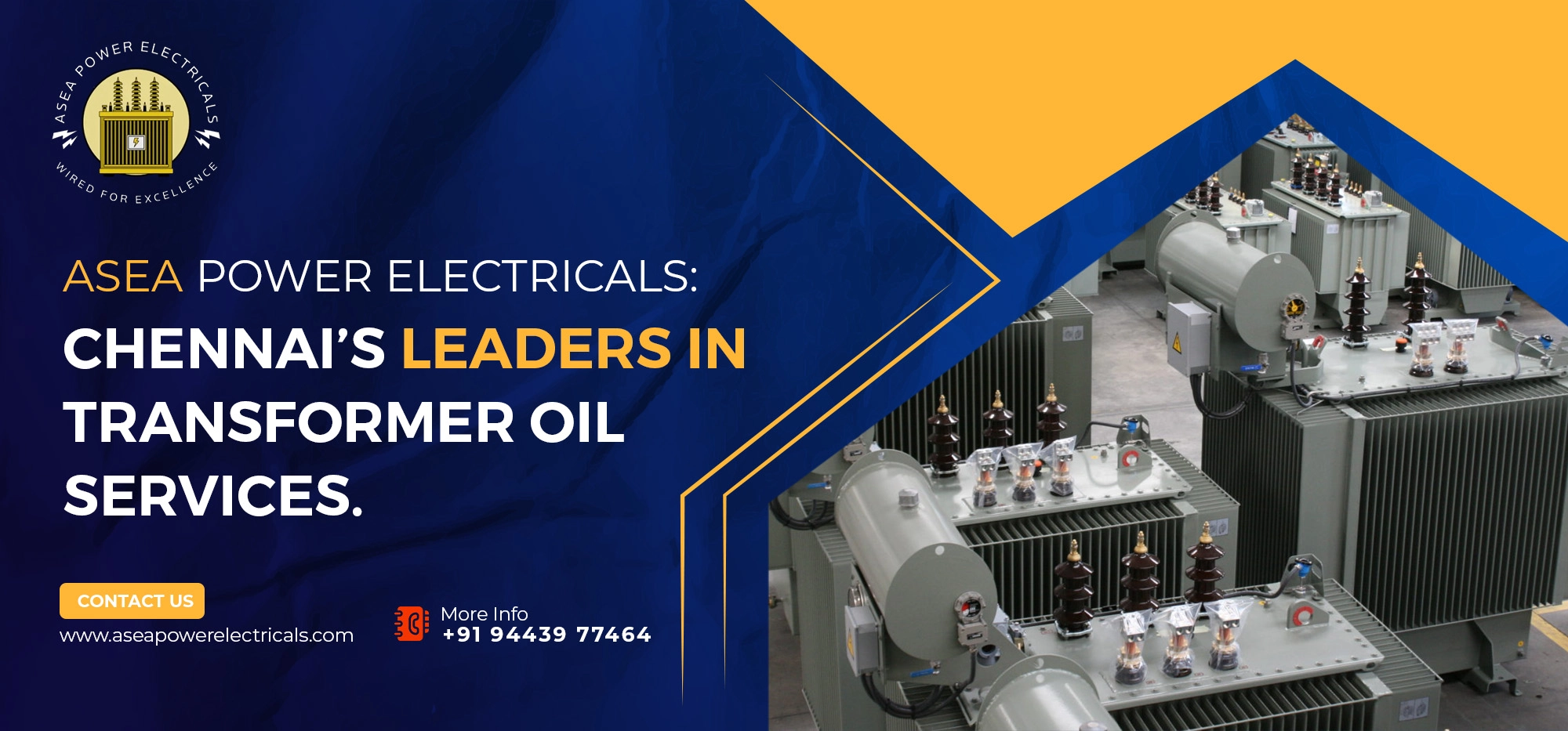
In the world of high-voltage engineering, the insulating oil inside a transformer is more than just a lubricant; it is the primary defense against catastrophic electrical failure. As we navigate the industrial demands of 2026, the complexity of power grids requires higher reliability than ever before. If you are researching the best practices for oil filling in transformer units, you are likely aware that even a microscopic amount of moisture or a tiny air bubble can lead to a devastating short circuit. At Asea Power Electricals, we treat oil filling as a precision science, ensuring that your assets achieve our maximum dielectric potential.
Why Choose Asea Power Electricals for the oil filling in transformer
Choosing the right service partner for your high-voltage equipment is a decision that impacts your facility's safety and your bottom line. While many local shops might offer a basic top-up, Asea Power Electricals stands out for our rigorous adherence to international standards and vacuum technology. We are the preferred choice for oil filling in transformer projects because we understand that the process begins long before the oil enters the tank. Our meticulous approach to site preparation, equipment sterilization, and vacuum integrity ensures that the oil's breakdown voltage (BDV) remains at its peak throughout the installation.
The Critical Role of Vacuum in Modern Oil Filling
One of the most common causes of transformer failure is the presence of dissolved gases or moisture trapped within the windings. During the process of oil filling in transformer units, we utilize high-vacuum plants to evacuate the transformer tank. This process, often referred to as vacuum pulling, removes air pockets that could otherwise become "hot spots" or points of ionization. By creating a deep vacuum, we allow the oil to penetrate the deepest layers of the paper insulation, ensuring a homogenous insulating environment that can withstand extreme electrical stress.
Maintaining Purity: From Storage to Sealing
The journey of the insulating fluid is critical. Even high-grade oil can be compromised if it isn't handled correctly. When we manage the oil filling in transformer for our clients, we prioritize a closed-loop system. This means the oil is filtered and heated as it moves from the storage tanks into the transformer. By maintaining a specific temperature during the fill, we reduce the oil's viscosity, allowing it to flow more freely and displace any remaining air. This level of care is what defines Asea Power Electricals as a leader in the industry.
Dielectric Strength and the IS 335 Standard
Compliance is non-negotiable. Every drop of oil used in our oil filling in transformer services meets or exceeds the IS 335 and IEC 60296 standards. We don't just take the manufacturer’s word for it; we conduct on-site BDV testing and moisture content (PPM) analysis before, during, and after the filling process. This data-driven approach provides our clients with a "birth certificate" for our transformer’s insulation health, which is vital for insurance documentation and long-term maintenance tracking.
Avoiding Common Pitfalls in Transformer Oil Services
Many facilities make the mistake of atmospheric filling, where oil is simply poured into the conservator tank. In the humid climate of 2026, this is a recipe for disaster. Atmospheric air carries moisture that the oil will instantly absorb, dropping its dielectric strength significantly. Asea Power Electricals prevents this by ensuring that the oil filling in transformer is done under strict moisture-controlled conditions, using specialized silica gel breathers and nitrogen blanketing where necessary.
Conclusion: Protecting Your Power Infrastructure
The integrity of your transformer depends entirely on the fluid that lives inside it. A flawed filling process can shorten the life of a multi-crore asset by a decade or more. By choosing Asea Power Electricals for your oil filling in transformer, you are investing in precision, safety, and longevity.
Our team of expert engineers and our advanced vacuum technology ensure that your transformer’s insulation system is pristine, protecting your facility from unexpected outages and costly repairs. In 2026, don’t leave your power stability to chance. Trust the experts who understand the science of insulation. Contact Asea Power Electricals today to schedule a professional consultation for your next transformer commissioning or maintenance project.
SEO Ranking FAQ: Expert Insights on oil filling in transformer
1. Why is vacuum mandatory during oil filling in transformer?
Vacuum is essential to remove air bubbles and moisture trapped in the solid insulation. Without a vacuum, these air pockets can lead to partial discharge, which slowly eats away at the insulation until the transformer fails. Asea Power Electricals uses high-capacity vacuum pumps for every oil filling in transformer project to eliminate this risk.
2. What is the ideal BDV for new oil filling in transformer?
For new installations, the Breakdown Voltage (BDV) should ideally be above 60kV to 70kV. However, the final value depends on the voltage rating of the unit. Our oil filling in transformer service includes testing to ensure the oil meets the specific requirements of your equipment’s design.
3. How long does the oil filling in transformer process take?
The duration depends on the size of the transformer and the required vacuum duration. For large power transformers, the process can take anywhere from 24 to 72 hours. We optimize the timeline of our oil filling in transformer services to ensure safety without causing unnecessary downtime for your facility.
4. Can I reuse old oil during oil filling in transformer?
Yes, but only after it has been properly degassed and filtered to meet original specifications. During our oil filling in transformer audits, we analyze the oil’s acidity and sludge content to determine if it is fit for regeneration or if a fresh charge is required.
5. What equipment is needed for professional oil filling in transformer?
A professional setup requires a high-vacuum oil purification plant, a high-capacity vacuum pump, precision flow meters, and on-site testing kits for BDV and moisture. Asea Power Electricals maintains a fleet of modern equipment to handle oil filling in transformer tasks of any scale.