

In the industrial hubs of Chennai—from the automotive corridors of Oragadam to the tech-driven landscapes of Siruseri—the demand for high-reliability power is at an all-time high. However, traditional infrastructure is facing a modern challenge: the need for safety, space efficiency, and data-driven intelligence.
As we move through 2026, a significant shift is occurring. Industries are moving away from legacy oil-immersed units and embracing electronically monitored dry-type transformers. This transition isn't just about changing hardware; it’s about integrating transformers electronics into the very "brain" of a facility's power grid. At Asea Power Electricals, we are leading this charge by helping Chennai’s industries modernize our power systems for a smarter, safer future.
1. The Safety Edge: Eliminating Fire Risks in High-Density Zones
Chennai’s industrial landscape often features compact, multi-story manufacturing units and high-rise commercial complexes where space is a premium.
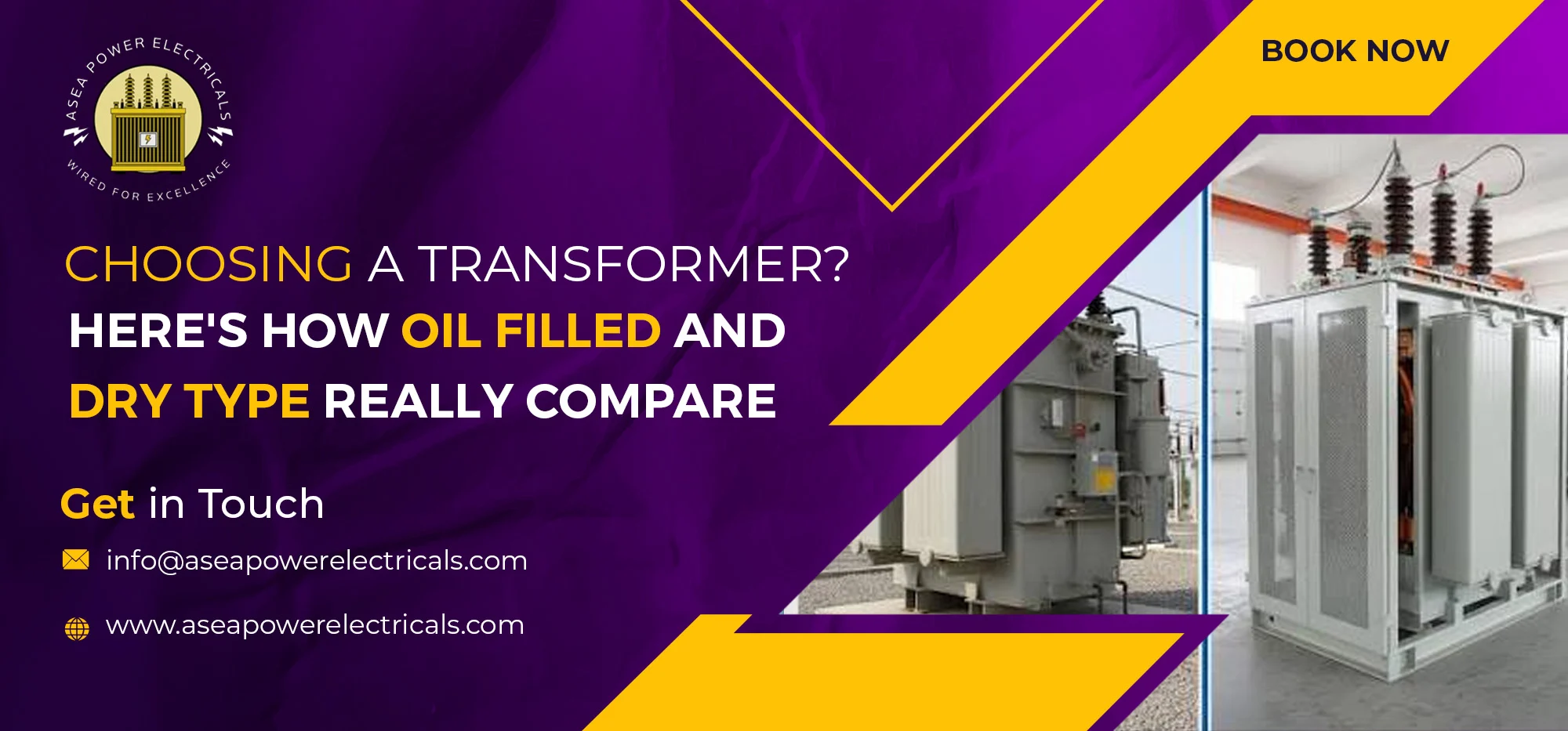
- Oil-Free Operation: Unlike oil-filled units, dry-type transformers use cast resin or vacuum pressure impregnation (VPI) for insulation. This eliminates the risk of oil leaks, which are a major fire hazard in enclosed spaces.
- Self-Extinguishing Properties: In the event of an electrical fault, the materials used in modern dry-type units are self-extinguishing, ensuring that a minor short circuit doesn't escalate into a catastrophic building fire.
2. The Intelligence Shift: Transformers Electronics & Real-Time Data
The "Electronic Monitoring" aspect is what truly sets these modern units apart. By embedding sophisticated transformers electronics, a passive piece of equipment becomes a proactive asset.
- IoT Integration: Modern dry-type units come equipped with sensors that track winding temperature, ambient humidity, and vibration levels.
- Predictive Maintenance: Instead of waiting for a failure, the electronic control unit sends real-time alerts to facility managers’ smartphones. This allows for "Condition-Based Maintenance," significantly reducing unplanned downtime.
3. Environmental Compliance & Sustainability
Chennai’s industries are increasingly under pressure to meet "Green Building" and ESG (Environmental, Social, and Governance) targets.
- No Toxic Spills: Oil spills from traditional transformers can contaminate groundwater—a critical concern for coastal cities like Chennai. Dry-type units eliminate this environmental liability.
- Lower Losses: High-efficiency cores in modern dry-type units reduce no-load losses, helping factories lower our overall carbon footprint.
Why Choose Asea Power Electricals for Transformers Electronics?
Navigating the transition to electronically monitored systems requires more than just a supplier; it requires a technical partner who understands both the "iron" and the "intelligence." Here is why Asea Power Electricals is the preferred choice in Chennai:
A. Specialized Retrofitting Expertise
We don't just sell new units; we specialize in Smart Monitoring System Integration. We can take your existing transformer infrastructure and "digitalize" it by installing high-precision sensors and IoT modules. This allows you to gain the benefits of modern transformers electronics without the massive capital expenditure of a full replacement.
B. Local Presence, Global Standards
Operating out of our specialized facilities in Chennai and Trichy, we offer a rapid-response advantage. Whether it is an urgent sensor calibration or a deep clean of your dry-type unit’s cooling vents, our team is just a phone call away.
C. Certified Diagnostic Lab
Our diagnostic process is entirely data-driven. Using advanced electronic testing equipment, we provide "Health Reports" for your transformers that are as detailed as a medical blood test, identifying hidden hotspots or insulation degradation before they cause a trip.
Future-Proof Your Power Grid
The shift to electronically monitored dry-type transformers is a strategic necessity for any Chennai industry looking to survive and thrive in 2026. By combining the safety of dry-type designs with the intelligence of modern transformers electronics, you ensure that your facility is ready for the demands of Industry 4.0.
FAQ: Transformers Electronics
1. How do electronics improve the lifespan of a transformer?
Advanced transformers electronics, such as Intelligent Electronic Devices (IEDs), monitor the thermal stress on the windings in real-time. By automatically adjusting cooling fans or alerting operators to load imbalances, these electronics prevent the over-heating that typically causes insulation to age prematurely, effectively extending the unit's life by years.
2. Is it possible to add electronic monitoring to an old oil-filled transformer?
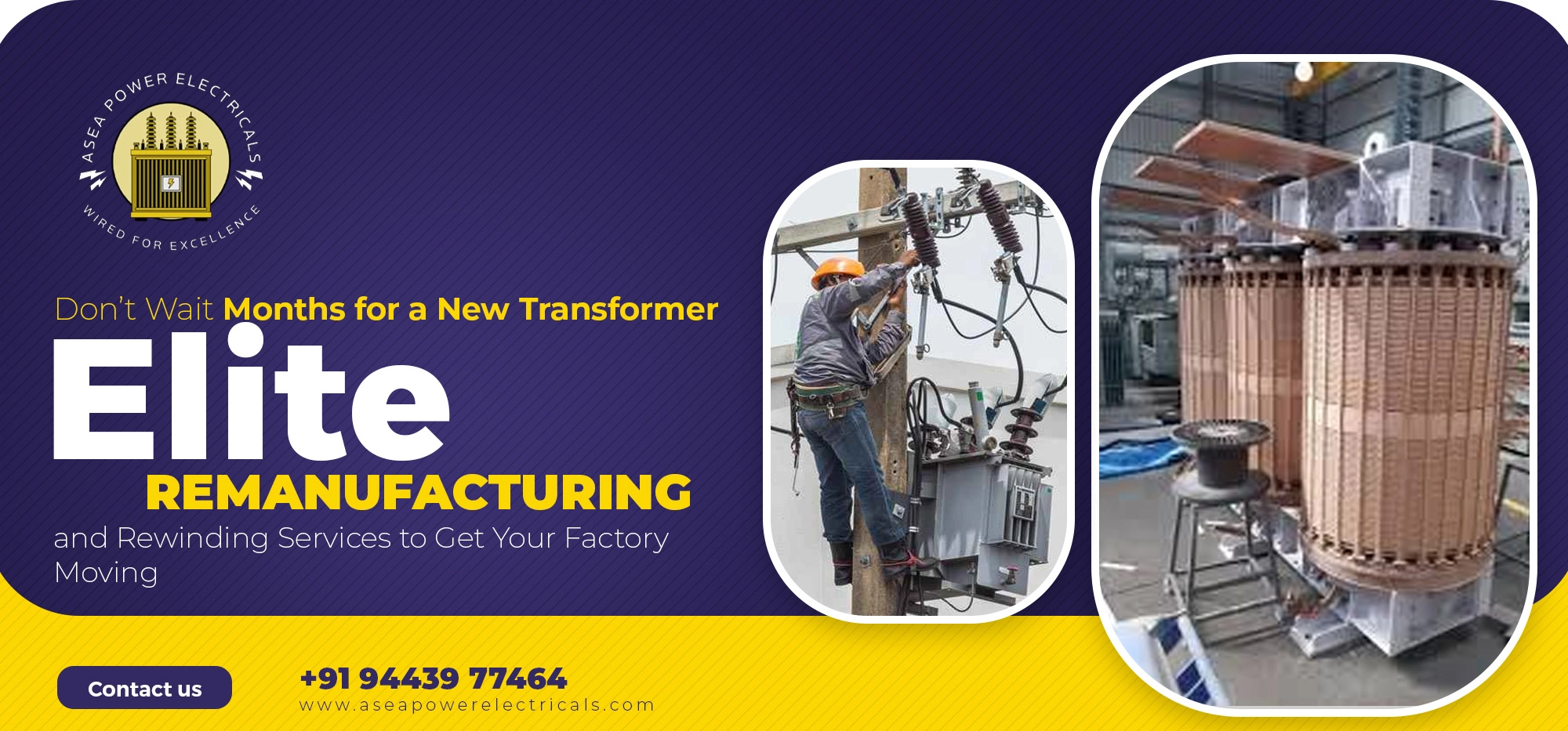
Absolutely. At Asea Power Electricals, we specialize in retrofitting legacy oil-filled units with modern electronic sensors and Dissolved Gas Analysis (DGA) monitors. This gives you "smart" capabilities and improved safety without needing to replace the entire transformer.
3. Why are dry-type transformers better for Chennai's coastal environment?
While coastal salt and humidity are challenges, modern dry-type transformers are encased in cast resin that is nearly impervious to moisture and salt-laden air. When paired with electronic humidity sensors, these units provide much higher reliability in Chennai’s climate compared to traditional units that may suffer from moisture ingress in the oil.
4. Do electronically monitored transformers require a special control room?
No. Most modern transformers electronics are designed to be cloud-compatible. This means the data is transmitted wirelessly to a centralized dashboard or even a mobile app, allowing your maintenance team to monitor multiple units across different sites in Chennai from a single location.
5. What is the ROI of switching to electronically monitored transformers?
The Return on Investment (ROI) comes from three areas: reduced insurance premiums due to lower fire risk, a 20-30% reduction in maintenance costs through predictive alerts, and the prevention of even a single day of "production blackout," which can save an industry millions of Rupees.